Tokyo Electron Chief: Chip Advances Are a "Must" for Data Centers
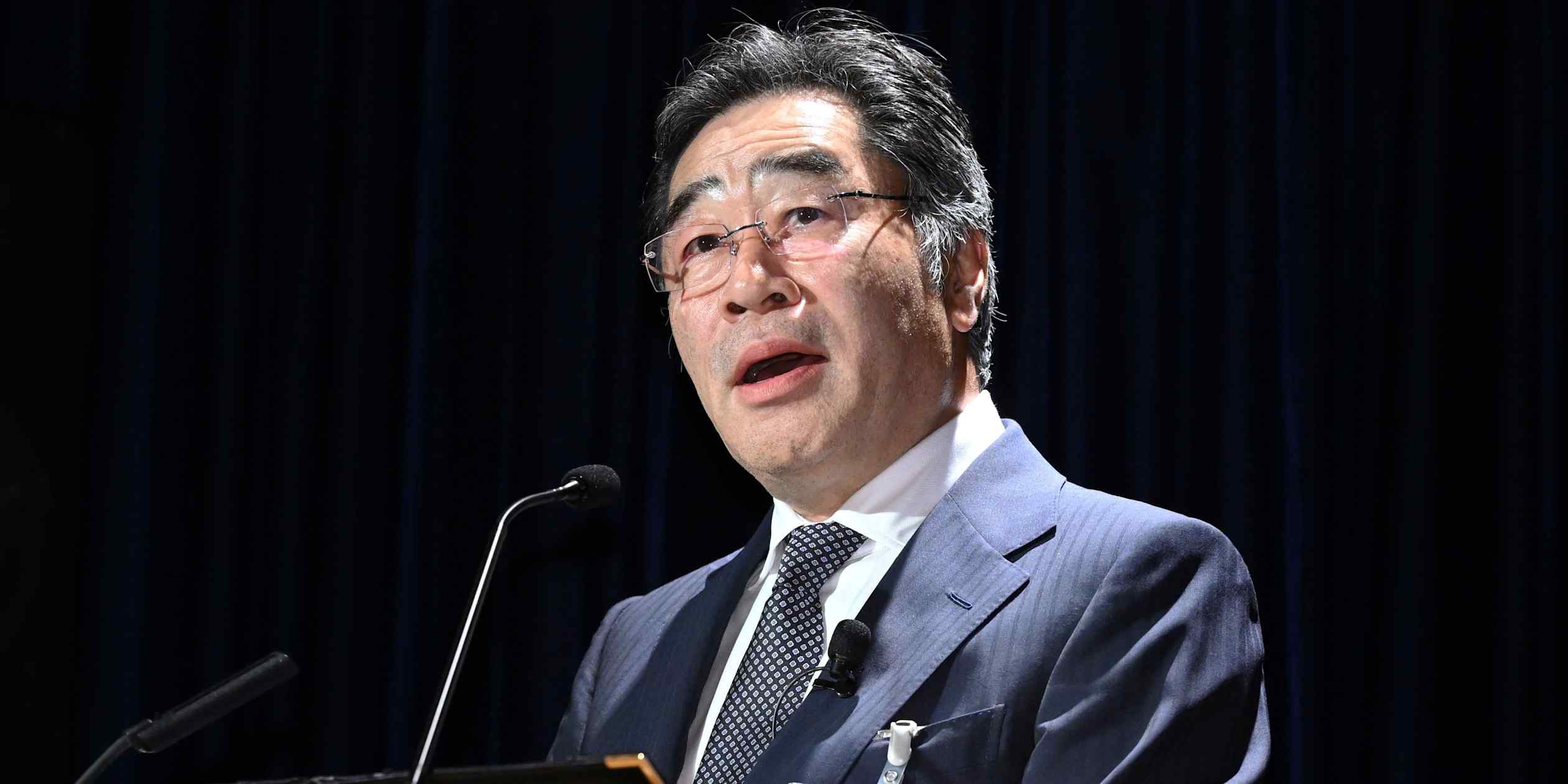
Tokyo Electron CEO Toshiki Kawai told Nikkei's Future of Asia forum that cutting-edge semiconductors are essential to tackling data centers' soaring power consumption, calling for Japan-South Korea cooperation.
Semiconductor advances are a "must" for data centers, Tokyo Electron President and CEO Toshiki Kawai said at Nikkei's Future of Asia 2026 forum, arguing the chip industry must develop cutting-edge products to address data centers' escalating power consumption needs.
The remarks from the head of Japan's biggest chipmaking-equipment supplier underline how the AI data-center buildout has become the defining demand driver for the semiconductor toolmaking industry. As AI workloads push power draw ever higher, the burden of efficiency gains falls increasingly on the chips themselves — and on the equipment that makes each new process generation possible.
A call for Japan-Korea cooperation
Kawai also stressed the importance of collaboration between Japan and South Korea, saying technological progress could not be achieved without cooperation between the two countries. His comments came as SK Group's chairman also participated in the forum, pointing to bilateral industry dialogue on advancing semiconductor capabilities for the AI-driven data center sector.
The pairing matters: Japan dominates key segments of chipmaking equipment and materials, while South Korea is home to the world's largest memory makers — two links in the AI supply chain that depend heavily on each other.
Riding the AI capex wave
Kawai's message lands as Japan's chip-equipment sector rides a broader wave of AI-driven capital spending. The country's manufacturing activity showed expansion in June PMI readings, and the Nikkei's recent rally has been led by AI-linked shares — a sign investors expect the data-center investment cycle to keep feeding through to Japanese suppliers.
For Tokyo Electron, the strategic bet is straightforward: as long as data centers keep scaling and power constraints keep tightening, demand for the equipment behind each semiconductor advance should follow. Kawai's forum remarks frame that not just as an opportunity, but as an obligation for the industry.
Newsletter
Get Lanceum in your inbox
Weekly insights on AI and technology in Asia.