AMD Launches Instinct MI450 and Helios Racks at Advancing AI 2026, Previews 2nm MI500
At its two-day Advancing AI event in San Francisco, AMD detailed the Instinct MI450 accelerator, Zen 6 EPYC 'Venice' CPUs and the Helios rack-scale system, with OpenAI, Meta, xAI and Oracle on stage — and teased an MI500 series it claims will deliver up to 1,000x MI300X performance.
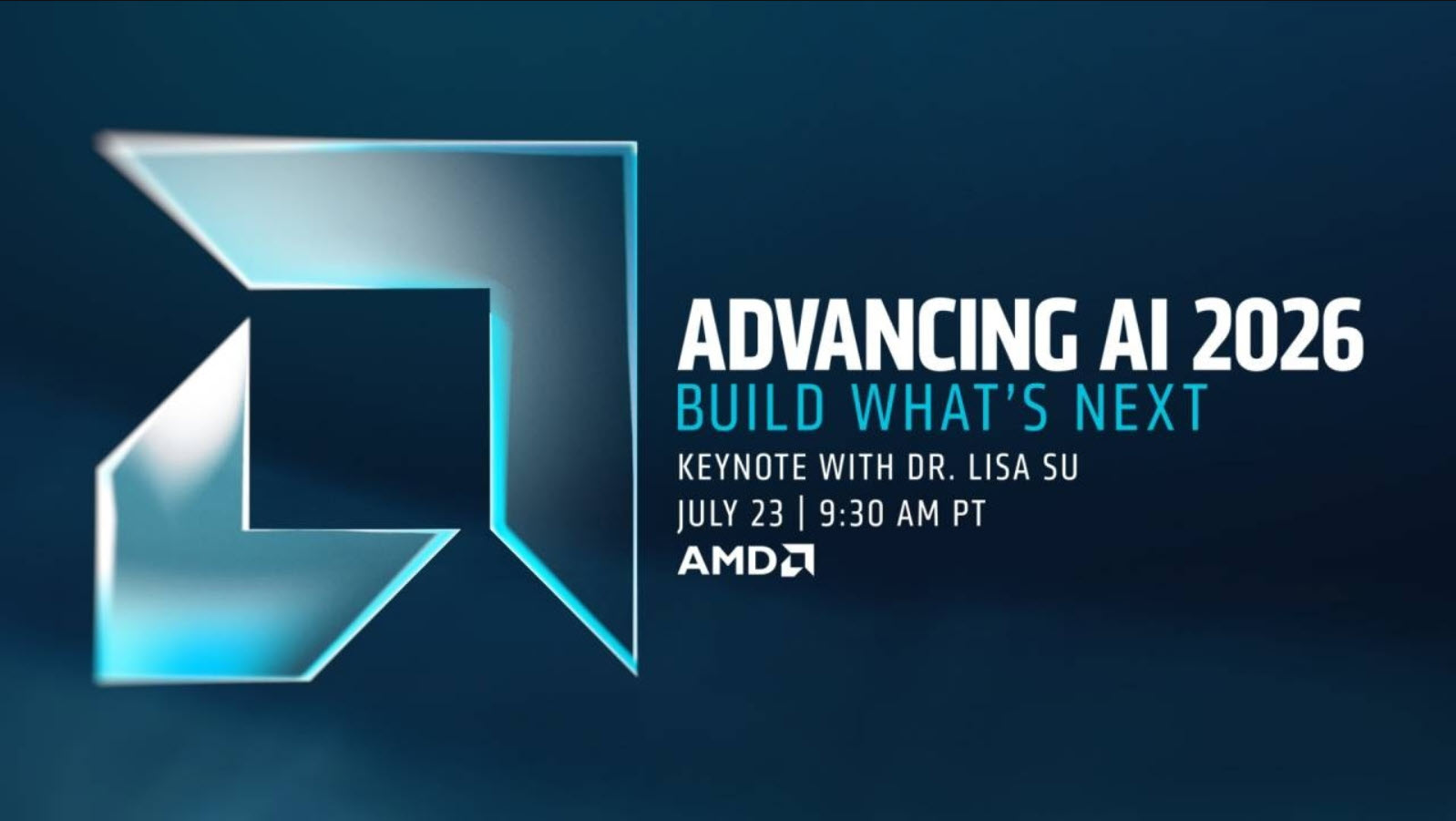
AMD used its Advancing AI 2026 event at San Francisco's Moscone Center this week to mount its most credible challenge yet to Nvidia's data-center dominance, launching the Instinct MI450 accelerator family, Zen 6-based EPYC "Venice" server CPUs and the Helios rack-scale AI system.
The full-stack pitch
CEO Lisa Su was joined on stage by executives from Meta, OpenAI, xAI, Oracle, Microsoft, Cohere, HUMAIN and Red Hat — a deliberate show of customer breadth at a moment when buyers are desperate for a second source of AI compute. The MI450 is the volume product, but Helios is the strategic one: a full rack-scale system designed to compete directly with Nvidia's NVL-class offerings, pairing MI450 GPUs with Venice CPUs and AMD networking in a single deliverable unit.
ROCm software updates rounded out the announcements, addressing the perennial gap that has kept many workloads locked to CUDA.
A 1,000x tease
The headline-grabber was the preview of the Instinct MI500 series, slated for 2027. Built on the CDNA 6 architecture using 2nm-class process technology and HBM4E memory, AMD claims the MI500 platform is on track to deliver up to a 1,000-fold increase in AI performance over the original MI300X at the rack level — the kind of number that says less about a single chip and more about how quickly rack-scale integration is compounding.
Why Asia is watching
Every layer of AMD's roadmap runs through Asia. The MI450 and future MI500 are manufactured at TSMC's leading-edge nodes in Taiwan, HBM4E supply will come from SK Hynix and Samsung in Korea, and the packaging capacity that turns chiplets into accelerators is concentrated across Taiwan and increasingly Japan and Malaysia. Jefferies analysts flagged customer announcements as the event's key catalyst — but for the Asian supply chain, a credible second buyer of leading-edge wafers and HBM at hyperscale volume is the bigger story.
With hyperscalers signaling record 2026-27 capex, AMD's timing is good. The question, as ever, is software — and whether Helios can ship at the pace Nvidia has taught the market to expect.
Newsletter
Get Lanceum in your inbox
Weekly insights on AI and technology in Asia.