Google Launches Africa's First Applied AI Lab in Accra to Back Continental Startups
The lab pairs African founders with Google DeepMind models before public release, with applications open through August 31 and a demo day set for December.
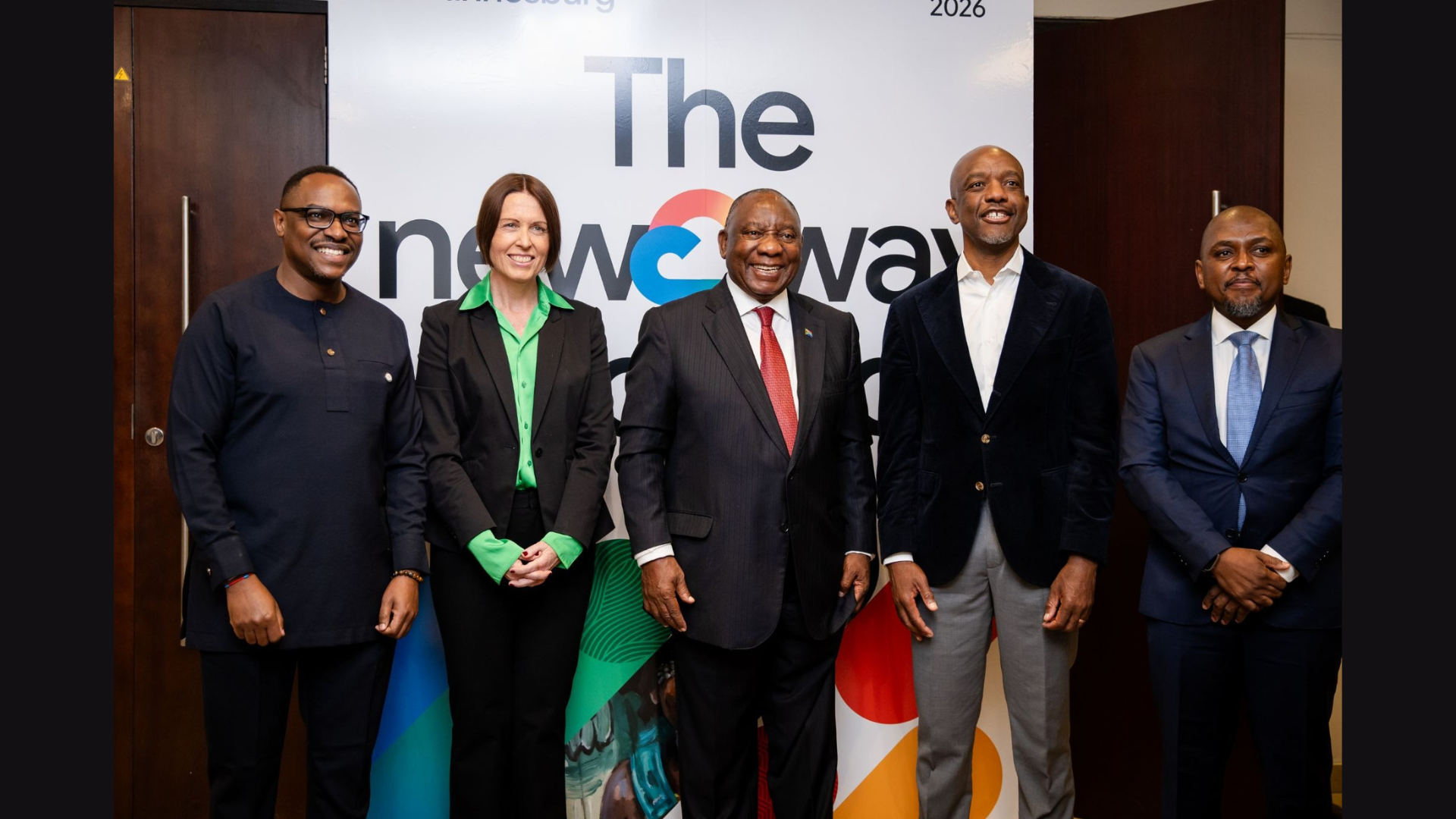
Google has launched Africa's first applied AI laboratory in Accra, Ghana, a program designed to help African startups build AI-powered products and scale them into globally competitive businesses. The initiative was unveiled at the company's first Google Cloud Summit in Africa, held in Johannesburg, and applications are now open.
Zero-to-One for African AI
Based at the Accra AI Community Centre, the Google Africa Applied AI Lab positions itself as a commercialization bridge between frontier research and market-ready products. An initial cohort of African founders and researchers will work directly with Google engineers and researchers, jointly building AI solutions targeted at what the company calls "uniquely African challenges."
The headline draw: selected teams receive early access to cutting-edge Google DeepMind models — including Gemini, Gemma, and Veo — to prototype commercial use cases before those models reach the general market. Teams also get hands-on technical mentorship and go-to-market support from Google Research and partner venture firms including 4DX Ventures, Norrsken22, Novastar Ventures, and Ventures Platform.
Five Futures
Prototyping will focus on five thematic tracks that Google argues will reshape the continent in the coming years: the future of work, knowledge, software development, creativity, and entertainment.
Applications close on August 31, with the initial co-development period running from mid-September to early December and culminating in a product demo day at the Accra centre.
The Bigger Play
The lab arrives as global AI powers compete for influence across the Global South. Chinese open-weight models have found eager adopters in emerging markets thanks to permissive licenses and low costs, while US labs have focused their commercial attention on enterprise customers in wealthy markets. Google's bet is that seeding an applied ecosystem — built on its models, its cloud, and its venture partners — will make its stack the default for the continent's next generation of AI companies.
For African founders, the calculus is simpler: access to frontier models months before competitors, backed by the distribution muscle of one of the world's largest technology companies. Whether that translates into durable, locally owned AI businesses — rather than a dependency pipeline — will be the question worth revisiting when the first cohort demos in December.
Newsletter
Get Lanceum in your inbox
Weekly insights on AI and technology in Asia.