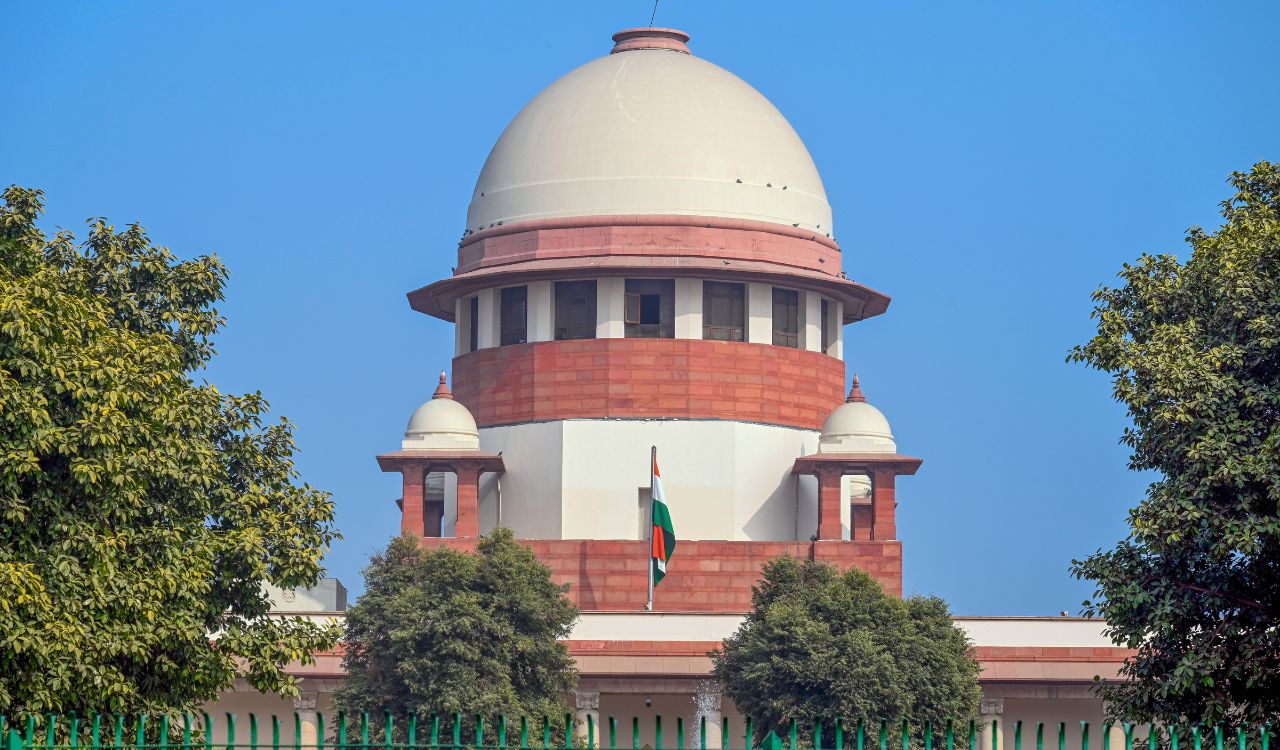
India's Supreme Court Voids Tribunal Rulings Built on AI-Hallucinated Precedents, Orders Zero Tolerance
India's Supreme Court set aside NCLT and NCLAT orders that relied on six fake, AI-generated judicial precedents, declaring such rulings 'no decision in the eyes of the law' and directing the Bar Council to frame rules.
India's Supreme Court has set aside orders of the National Company Law Tribunal and its appellate body after finding that both forums relied on fake, AI-generated judicial precedents in an insolvency dispute — and declared that any decision resting on hallucinated material is "no decision in the eyes of the law."
Six citations that didn't exist
The appeal arose from insolvency proceedings brought by Jammu and Kashmir Bank against Essel Infraprojects over a corporate guarantee, in which the NCLT in Mumbai had recorded a default of Rs 87.43 crore. Counsel for a suspended director demonstrated that the tribunals had leaned on six judicial decisions that either did not exist or did not support the propositions attributed to them; an affidavit confirmed the citations could not be traced in any recognized legal database.
A bench of Justices PS Narasimha and Alok Aradhe ordered a "zero-tolerance" approach: if even "an iota" of AI-fabricated material enters the decision-making process, the ruling must fall.
A systemic problem, not an isolated slip
Legal researchers have documented at least ten cases in which Indian courts and tribunals encountered AI-hallucinated case law over the past year, mirroring sanctions episodes in the United States and elsewhere. What sets this case apart is that the fabricated authorities were relied on by the adjudicators themselves, not just filed by careless counsel.
The Court directed the Bar Council of India to constitute a committee to examine AI use in adjudication and frame guiding principles.
Why it resonates beyond India
India's judiciary runs one of the largest case backlogs in the world, and AI-assisted drafting has spread rapidly through its legal profession. The ruling draws the sharpest line yet in Asia between AI as a research aid and AI as an unverified authority — a distinction regulators across the region are now racing to codify.
Newsletter
Get Lanceum in your inbox
Weekly insights on AI and technology in Asia.