Anthropic Walks Away From $6 Billion Decart Acquisition After Due DiligenceOpenAI Becomes Anchor Customer of Nvidia-Backed Firmus for Malaysian AI FactoriesJapan's AI Data Center Capacity Set to Quadruple to 4.9 GW by 2033 With $60 Billion BuildoutAll Three Majors Are Now Suing Anthropic. The AI Copyright Endgame Is Taking ShapeThe Backlash Has Arrived: Asia's Data Center Boom Is Colliding With the People Who Live Next DoorGroq, Nemotron, Now Hugging Face: Nvidia Isn't Buying Companies — It's Buying the Open AI EcosystemTravis Kalanick's Atoms Eyes Robotaxis — With Uber's $100 Million and His Old AV TeamFluidstack Closes $1.5 Billion Led by Jane Street — Revenue Up From $1.8M to a Projected $660M, While Owning Zero ChipsAnthropic Walks Away From $6 Billion Decart Acquisition After Due DiligenceOpenAI Becomes Anchor Customer of Nvidia-Backed Firmus for Malaysian AI FactoriesJapan's AI Data Center Capacity Set to Quadruple to 4.9 GW by 2033 With $60 Billion BuildoutAll Three Majors Are Now Suing Anthropic. The AI Copyright Endgame Is Taking ShapeThe Backlash Has Arrived: Asia's Data Center Boom Is Colliding With the People Who Live Next DoorGroq, Nemotron, Now Hugging Face: Nvidia Isn't Buying Companies — It's Buying the Open AI EcosystemTravis Kalanick's Atoms Eyes Robotaxis — With Uber's $100 Million and His Old AV TeamFluidstack Closes $1.5 Billion Led by Jane Street — Revenue Up From $1.8M to a Projected $660M, While Owning Zero ChipsAnthropic Walks Away From $6 Billion Decart Acquisition After Due DiligenceOpenAI Becomes Anchor Customer of Nvidia-Backed Firmus for Malaysian AI FactoriesJapan's AI Data Center Capacity Set to Quadruple to 4.9 GW by 2033 With $60 Billion BuildoutAll Three Majors Are Now Suing Anthropic. The AI Copyright Endgame Is Taking ShapeThe Backlash Has Arrived: Asia's Data Center Boom Is Colliding With the People Who Live Next DoorGroq, Nemotron, Now Hugging Face: Nvidia Isn't Buying Companies — It's Buying the Open AI EcosystemTravis Kalanick's Atoms Eyes Robotaxis — With Uber's $100 Million and His Old AV TeamFluidstack Closes $1.5 Billion Led by Jane Street — Revenue Up From $1.8M to a Projected $660M, While Owning Zero Chips
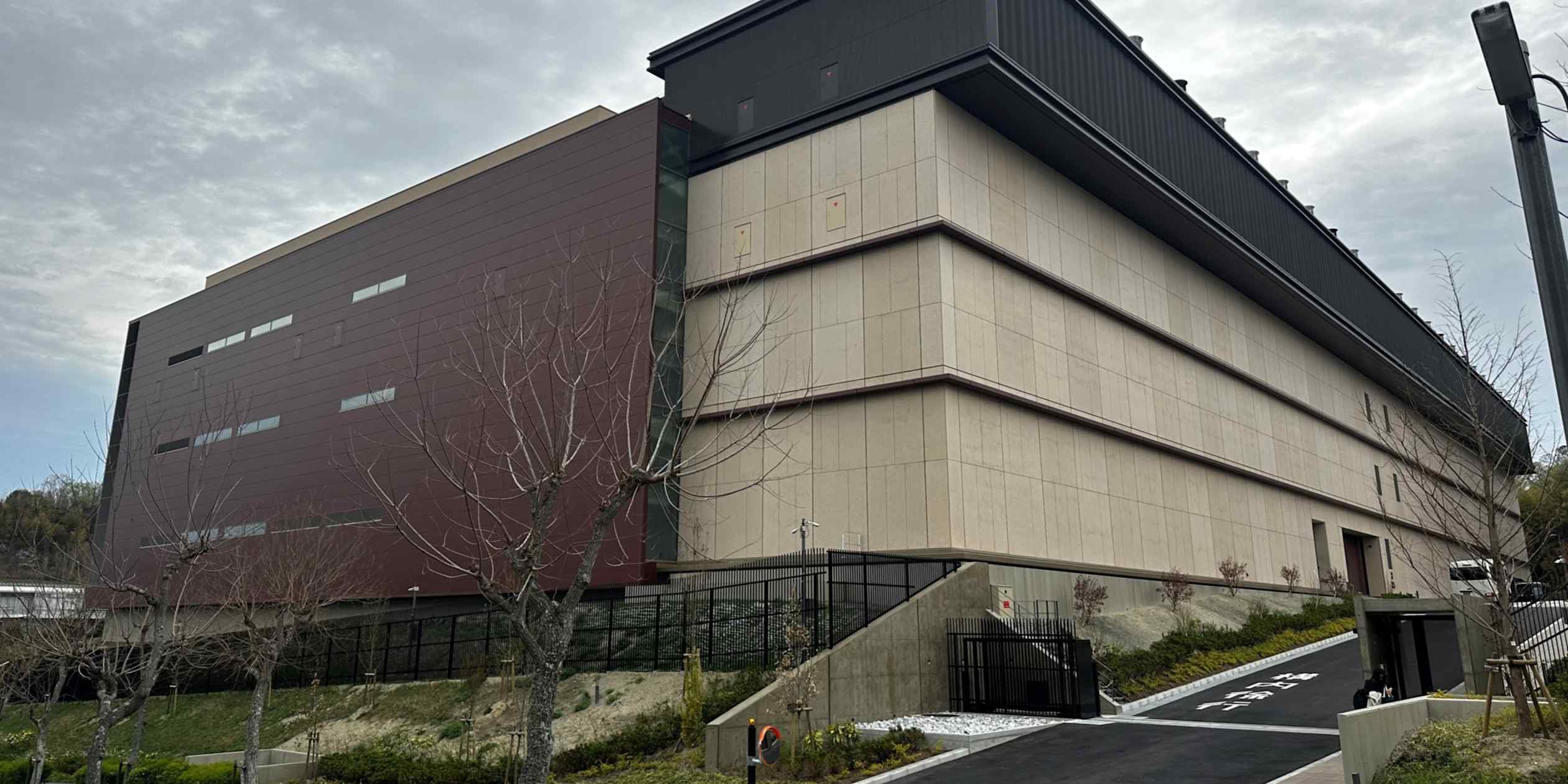
Kioxia's High Bandwidth Flash prototype module
Kioxia / Tom's Hardware
News

Kioxia Bets on High-Bandwidth Flash to Crack the AI Memory Wall

The Japanese memory maker outlined plans to capture AI demand with a 5TB, 64 GB/s High Bandwidth Flash module that pushes NAND toward the GPU memory bus — offering 8-16x the capacity of DRAM-based HBM.

R
Rina ChandraTech Reporter
3 min read

Kioxia has outlined its plan to capture surging AI demand with a new class of high-speed memory, unveiling a prototype High Bandwidth Flash (HBF) module that delivers 5 terabytes of capacity at 64 GB/s of sustained bandwidth — a bid to put NAND flash directly into the memory hierarchy of AI accelerators.

Flash where DRAM used to live

HBF adapts the stacked-die concept behind high-bandwidth memory (HBM) to NAND flash, offering 8 to 16 times the capacity of DRAM-based HBM at far lower cost per bit. The prototype adopts a familiar SSD-style form factor, and Kioxia argues the combination of speed, capacity and persistence lets large AI datasets — model weights, KV caches, retrieval corpora — sit closer to the GPU while consuming less power.

The Japanese company is attacking the same bottleneck from a second angle with CXL modules built on XL-Flash, its specialized low-latency NAND. Kioxia claims replacing a portion of DRAM with the CXL modules can double memory capacity at the same cost while improving performance by roughly 30 percent for some AI workloads.

Riding the shortage

The push comes as the AI boom strains every tier of the memory market. Kioxia's 332-layer, 10th-generation BiCS flash — which stores 59 percent more data than its previous flagship — is already shipping to AI data centers, and the company's shares have swung sharply upward on AI demand. Memory pricing has become so tight that a Microsoft executive argued last week that "more memory chips" alone won't solve AI bottlenecks — precisely the argument for architectural changes like HBF.

Japan's stake

For Japan, Kioxia's roadmap matters beyond one company's earnings. As South Korea's Samsung and SK Hynix dominate HBM and post record export numbers, HBF represents a differentiated technical bet — one that plays to Japan's NAND strength rather than chasing DRAM stacking. With SanDisk co-developing the HBF standard and AI server makers hunting for any relief from HBM scarcity, Kioxia has a rare window to set the terms of a new memory tier.

Newsletter

Get Lanceum in your inbox

Weekly insights on AI and technology in Asia.
Share

More in News

Lanceum

Independent coverage of AI and technology across Asia. We go beyond headlines to explain what matters.

Colophon

Typeset in Space Grotesk & DM Serif Display. Built with Nuxt & Tailwind. Powered by curiosity.

© 2026 Lanceum. All rights reserved.

Independent • Rigorous • Asia-Focused