South Korea Smashes Full-Year Export Record in 248 Days as AI Chip Boom Powers $709.4 Billion
Semiconductor exports surged 169.6% to $281 billion through August, putting Asia's fourth-largest economy on track to become only the fourth country ever to hit $1 trillion in annual exports.
South Korea's exports have already surpassed last year's full-year record, reaching $709.4 billion in just 248 days as booming global demand for AI chips supercharges the country's trade engine, government data showed Friday.
Chips carry the economy
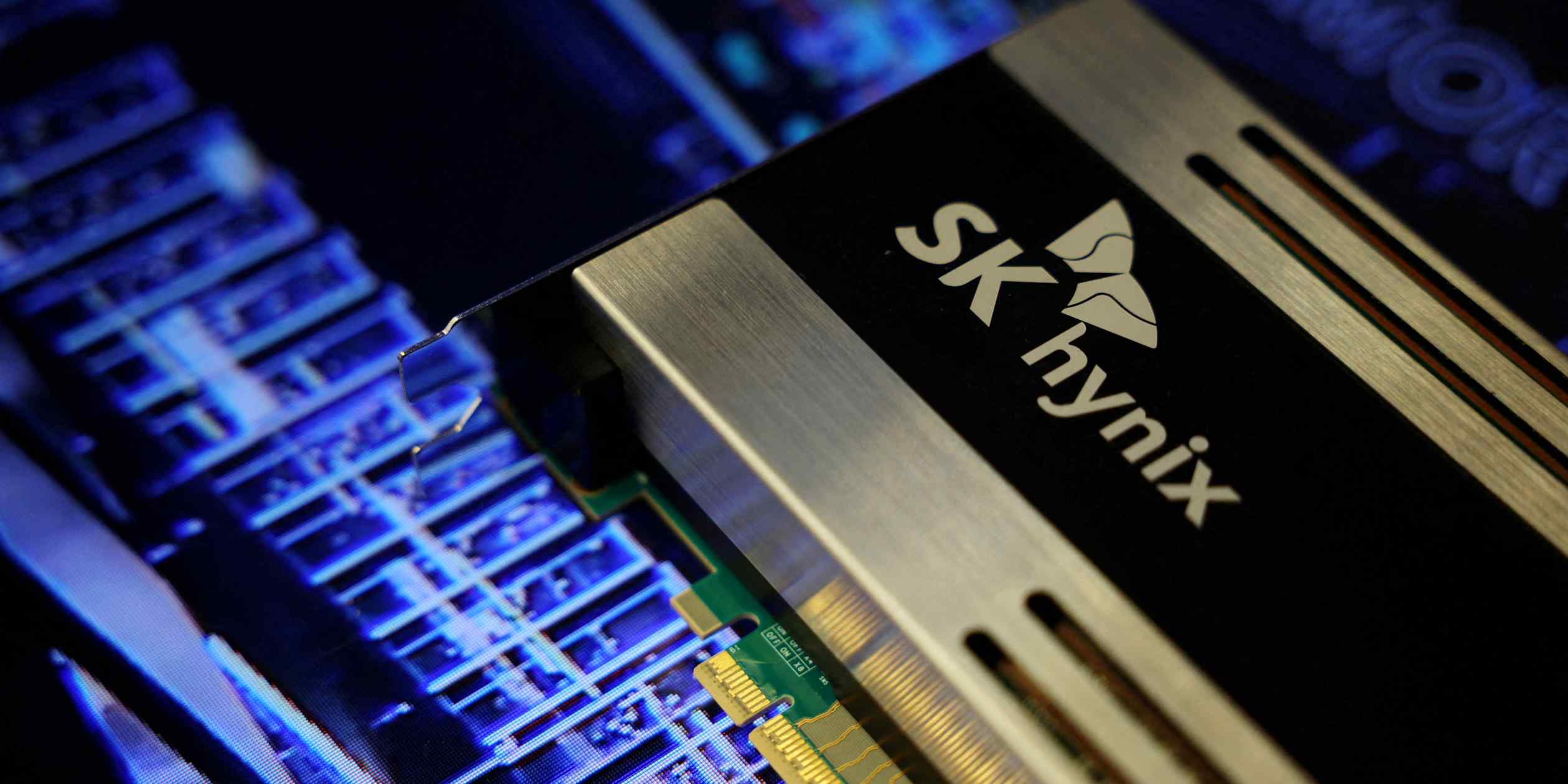
Semiconductor exports jumped 169.6 percent year on year to $281 billion between January and August — meaning chips now account for roughly 40 percent of everything South Korea sells abroad. Samsung Electronics and SK Hynix, the world's dominant memory makers, are riding surging prices as the AI investment boom collides with a global chip shortage, particularly in high-bandwidth memory used in AI accelerators.
Last year's total of $709.3 billion was itself a second consecutive annual record. At the current pace, Asia's fourth-largest economy will cross $1 trillion in annual exports by early December, becoming only the fourth country to reach that milestone after the United States, China and Germany.
Concentration cuts both ways
The numbers underline how completely the AI supercycle has reorganized Korea's economy. Samsung and SK Hynix now account for nearly half of the KOSPI's total value, and memory pricing power has delivered windfall profits large enough to trigger labor disputes — the government moved this month to curb union leverage over AI and chip windfalls after Samsung's first-ever strike.
Economists note the same concentration that is driving the record creates fragility: a memory price correction, a demand pause from hyperscalers, or escalating US-China trade friction would hit Korea harder than any other major economy.
Regional context
Korea's record lands amid a broader Asian AI hardware boom — August factory PMIs showed China, Japan and Korea all expanding on AI-related demand, Japan is planning a $60 billion data center buildout, and Kioxia is pushing new memory architectures for AI workloads. For now, the region's factories are the clearest winners of the global AI arms race.
Newsletter
Get Lanceum in your inbox
Weekly insights on AI and technology in Asia.