NVIDIA Requests Industry-First 16-Hi HBM4 as SK Hynix, Samsung and Micron Race to Deliver
NVIDIA has asked memory makers for 16-high HBM4 stacks, an industry first, setting off a race between SK Hynix, Samsung and Micron to solve steep manufacturing hurdles by late 2026.
NVIDIA has asked its memory suppliers to prepare 16-high HBM4 stacks, an industry first, touching off a fresh competition between SK Hynix, Samsung and Micron to be first to mass-produce the most complex high-bandwidth memory built to date.
Why 16-high is so hard
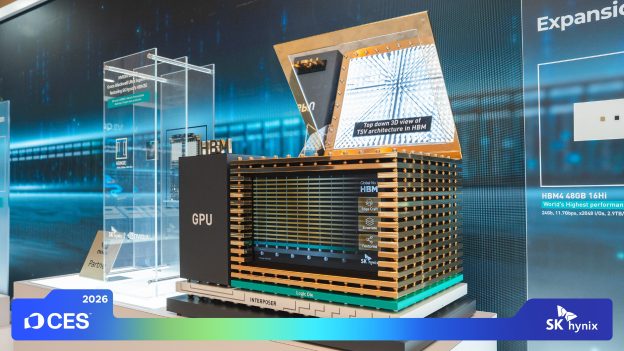
Today's leading HBM4 products stack 12 DRAM dies. Moving to 16 layers packs more memory capacity and bandwidth into each stack, which AI accelerators need as models and context windows grow. But the added height sharply raises manufacturing difficulty. Each die must be thinned further so the full stack fits within height limits, pushing wafer thickness from around 50 microns toward roughly 30 microns.
Thinner wafers warp and crack more easily, and bonding 16 dies without defects strains packaging and yield. No supplier has commercialized 16-high HBM before, and the companies are still working through stacking, warpage and thermal challenges internally rather than under signed contracts.
A late-2026 target
NVIDIA is said to want the 16-high parts available around the fourth quarter of 2026, aligning with its next-generation accelerator roadmap. Concrete supply agreements have not yet been finalized, with discussions focused on initial production volumes and which vendors can hit the timeline.
The three memory makers already split HBM4 supply for NVIDIA's current platform, after all passed certification earlier this year. Supply-chain estimates put SK Hynix at roughly 60 to 70 percent of that volume, with Samsung around a quarter and Micron supplying the remainder. The 16-high round offers each a chance to reset that balance.
Stakes for the memory market
HBM has become one of the most lucrative and closely watched segments in semiconductors, and leadership in the newest tier carries outsized weight for pricing and market share. For the Korean giants in particular, being first to deliver reliable 16-high HBM4 would reinforce their position at the center of the AI hardware supply chain, while any stumble risks ceding ground to rivals racing on the same aggressive timeline.
Newsletter
Get Lanceum in your inbox
Weekly insights on AI and technology in Asia.