Nvidia's Vera Rubin Racks Cost $7.8 Million Each — and Memory Is the Reason Why
Morgan Stanley estimates the VR200 NVL72 rack costs nearly double the Blackwell generation, with memory alone accounting for $2 million per rack.
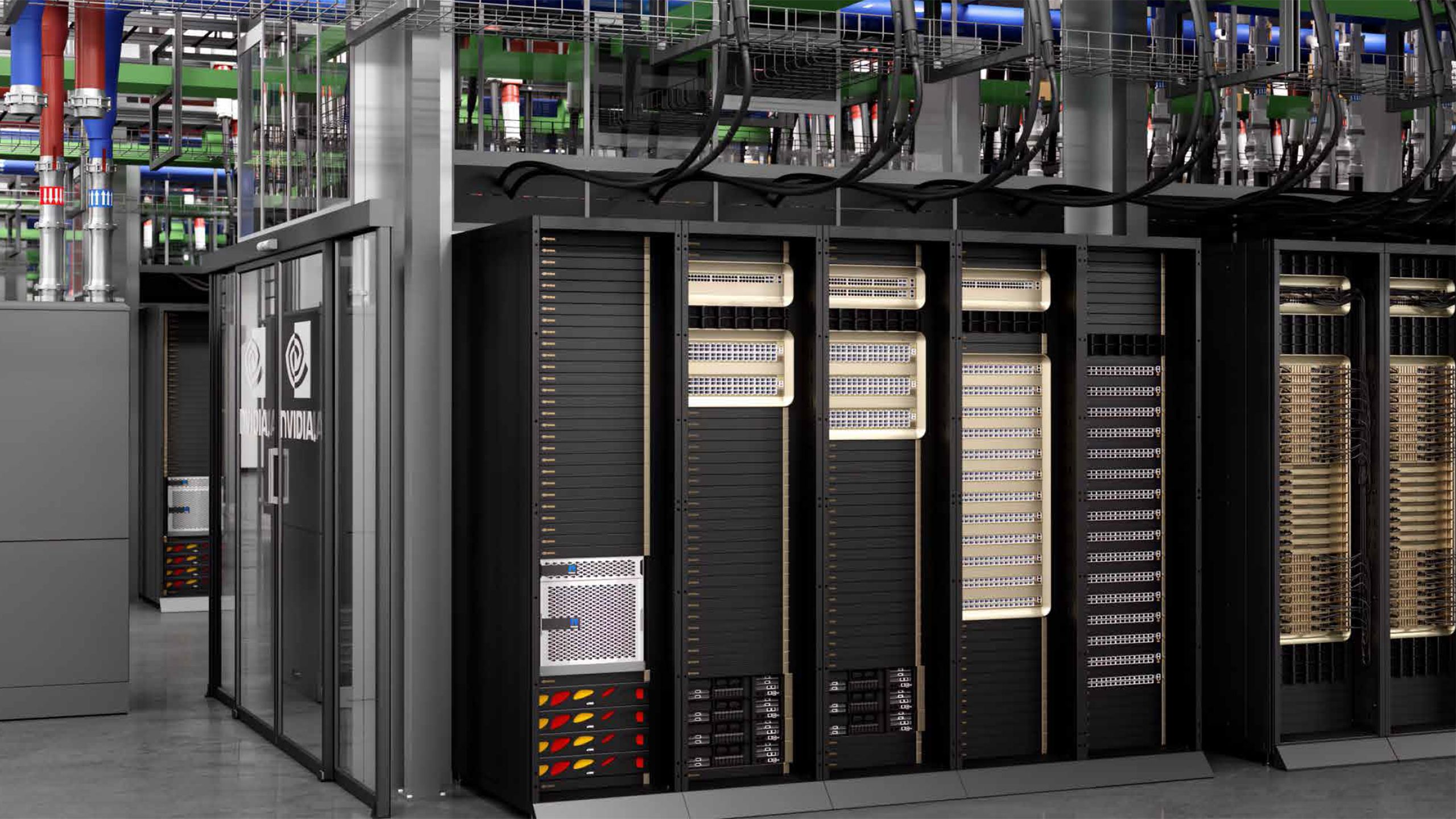
A single rack of Nvidia's next-generation Vera Rubin AI hardware will cost hyperscalers an estimated $7,803,148 — nearly double the roughly $4 million price of the current GB300 Blackwell generation — according to a Morgan Stanley research report circulating this week.
The startling headline number comes with an even more telling breakdown: the GPUs themselves are almost a footnote. Rubin GPUs are estimated at roughly $50,000-$55,000 apiece at volume pricing, while memory accounts for over $2 million per rack — 25% to 30% of the total bill of materials, up from a 5-10% share in previous generations.
Everything Is Getting More Expensive
Morgan Stanley's teardown found cost increases in nearly every component category. Memory costs soared 485% versus the prior generation, driven by the jump to HBM4 and massive LPDDR5X and 3D NAND requirements. PCB costs rose 233%, MLCC costs climbed 182%, and ABF substrate costs increased 82%.
The memory surge lands squarely in Asia's favor. SK Hynix, Samsung and Micron are the only suppliers capable of HBM4 at scale, and the report notes that if major cloud providers were to bypass Nvidia and purchase memory directly, the rack price could drop to around $6.7 million — a $1 million-per-rack incentive that may reshape procurement.
The Capex Math Gets Steeper
The VR200 NVL72 platform, which pairs 72 Rubin GPUs with Vera CPUs, will power training for the next generation of frontier models — GPT-6, Claude Mythos 6 and Gemini 4 among them. At $7.8 million per rack, a single gigawatt-scale AI factory implies tens of billions of dollars in hardware alone, before land, power and cooling.
For the memory makers of Korea, it is another windfall. For everyone paying the bills — and ultimately for AI users — it is a reminder that the cost curve of frontier AI infrastructure is still bending upward, not down.
Newsletter
Get Lanceum in your inbox
Weekly insights on AI and technology in Asia.