South Korea Chip Exports Shatter Records at $32.8 Billion in March
Semiconductor shipments more than doubled year-on-year, pushing total Korean exports above $80 billion for the first time in history.
South Korea's semiconductor exports surged to $32.84 billion in March 2026, more than doubling from a year earlier with a 151 percent increase, according to trade data released by the Ministry of Trade, Industry and Energy. It marks the first time the country's chip shipments have topped the $30 billion threshold in a single month, eclipsing the previous record of $25.1 billion set just one month prior.
A Broader Export Boom
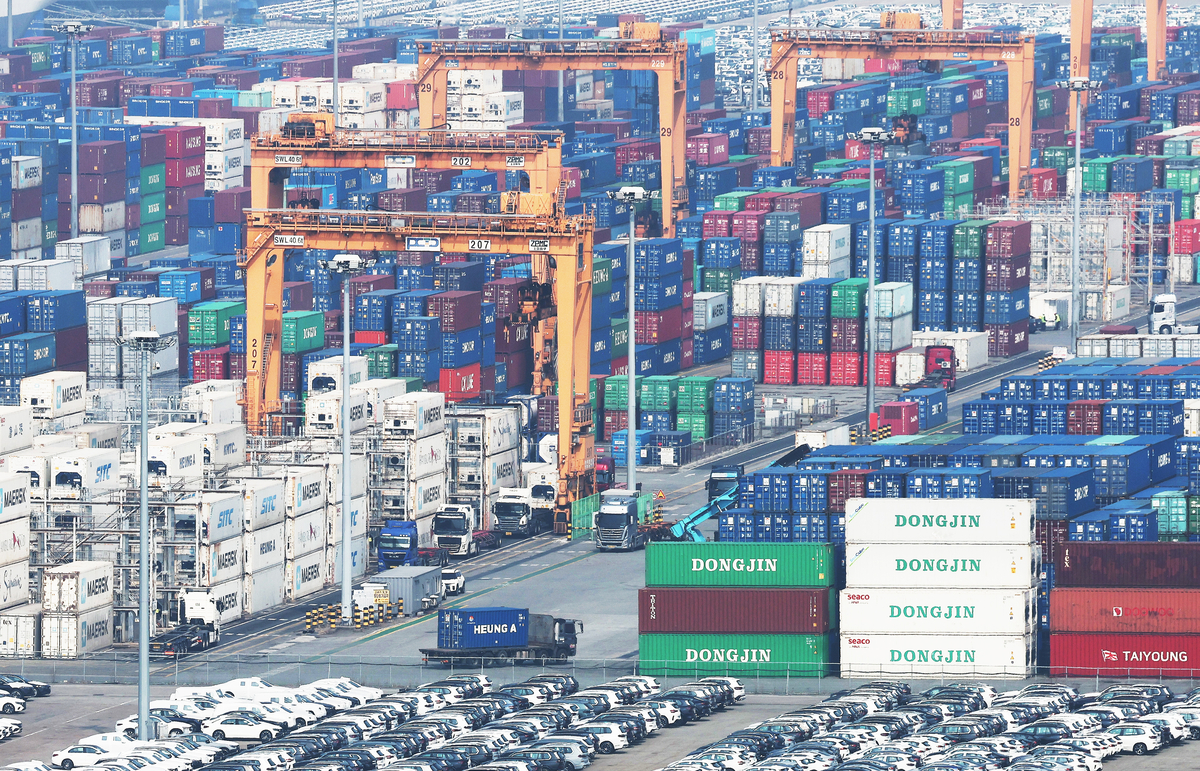
The chip surge drove total Korean exports to $86.13 billion in March, up 48.3 percent year-on-year and the first time monthly exports have exceeded $80 billion. South Korea posted a trade surplus of $25.74 billion, extending its surplus streak to 14 consecutive months.
Strong demand for both AI-related and conventional servers, coupled with soaring memory prices, powered the semiconductor breakout. Samsung Electronics and SK Hynix — the world's two largest memory chip producers — have been direct beneficiaries of the global race to build out AI infrastructure, with high-bandwidth memory (HBM) chips in particularly intense demand from hyperscale data center operators.
Iran War Concerns Remain Manageable
The record performance comes against a backdrop of geopolitical uncertainty. The ongoing conflict with Iran has pushed up energy costs across Asia, with South Korean industrial power prices rising 39 to 55 percent year-to-date. However, Bank of America analysts noted they do not expect the energy shock to materially derail the country's AI-led growth trajectory.
"The current semiconductor cycle appears stronger than previously anticipated," the analysts wrote, pointing to the structural nature of AI-driven demand as distinct from previous cyclical upswings.
What Comes Next
Major Asian chipmakers hold roughly three to six months of component inventory, providing a buffer against near-term supply disruptions. The semiconductor cycle shows no signs of peaking, with AI server deployments accelerating across North America, Europe, and Asia simultaneously.
South Korea's chip dominance positions it as one of the primary beneficiaries of the global AI infrastructure buildout — a trend that shows little sign of abating even as geopolitical headwinds intensify.
Newsletter
Get Lanceum in your inbox
Weekly insights on AI and technology in Asia.