Tesla's Optimus Line Takes Shape: 1,000 Robots a Week by September, But None For Sale
Tesla's converted Fremont line is ramping toward 1,000 Optimus Gen3 units per week by September with a designed capacity of one million a year — yet every robot built in 2026 stays in-house.
Tesla's humanoid robot program has moved from prototype theater to production planning, with the company's converted Fremont line now targeting a steep weekly ramp for the Optimus Gen3 — dozens of units per week in June, 100 to 150 in July, roughly 300 in August, and 1,000 per week by September.
A million-unit line, eventually
The line occupies the space where Tesla built the Model S and Model X until it wound down both programs earlier this month. Its designed annual capacity is one million units — a number that dwarfs anything else in the humanoid industry, where rivals measure output in the thousands.
But there is a catch that has cooled some of the enthusiasm: every Optimus built in 2026 will be used internally, for factory testing and data collection, not sold to customers. True mass production awaits a dedicated Texas facility that is not expected online until 2027.
Earnings reality checks the robot boom
The internal-only disclosure landed in the same week that Unitree's prospectus revealed halved profits and decelerating growth, and Agility Robotics priced its $2.5 billion SPAC. The juxtaposition captures where humanoid robotics sits in mid-2026: production lines are real, capital is abundant, but revenue at scale remains a promise.
Tesla's approach — using its own factories as both customer and training environment — sidesteps the reliability expectations of external buyers while generating the manipulation data that Optimus's AI stack needs. Whether that patience survives Wall Street's scrutiny of Tesla's capital spending is another question.
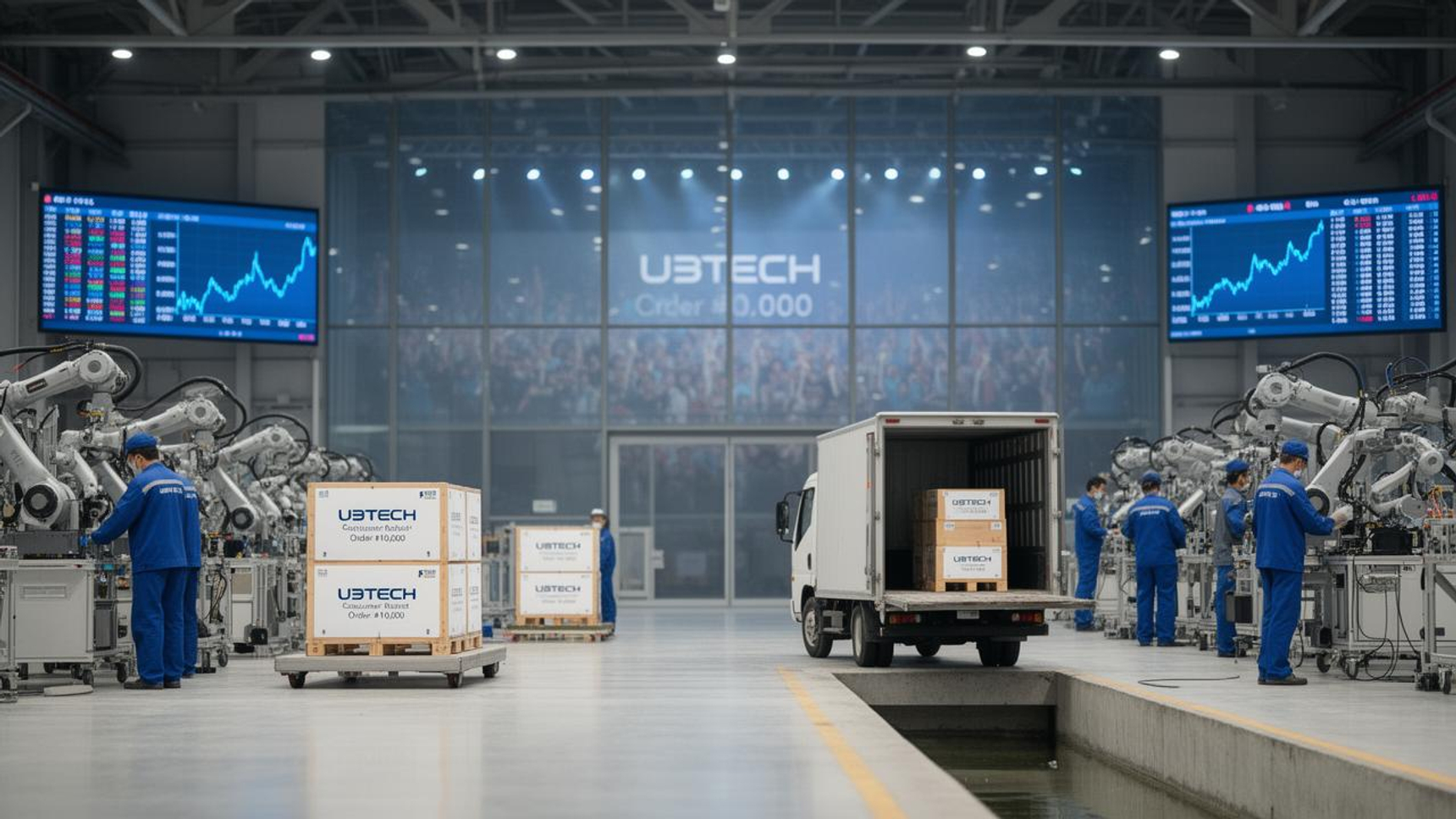
For Asian competitors, the ramp is a clock. Chinese makers from Unitree to UBTech are racing to lock in commercial deployments before Tesla's cost curve arrives.
Newsletter
Get Lanceum in your inbox
Weekly insights on AI and technology in Asia.