US and China Eye AI Guardrails as Xi Prepares for September 24 Washington Summit
Artificial intelligence is set to feature prominently when Xi Jinping visits Washington this month, with Treasury Secretary Scott Bessent calling for guardrails and closer communication between the world's two leading AI powers.
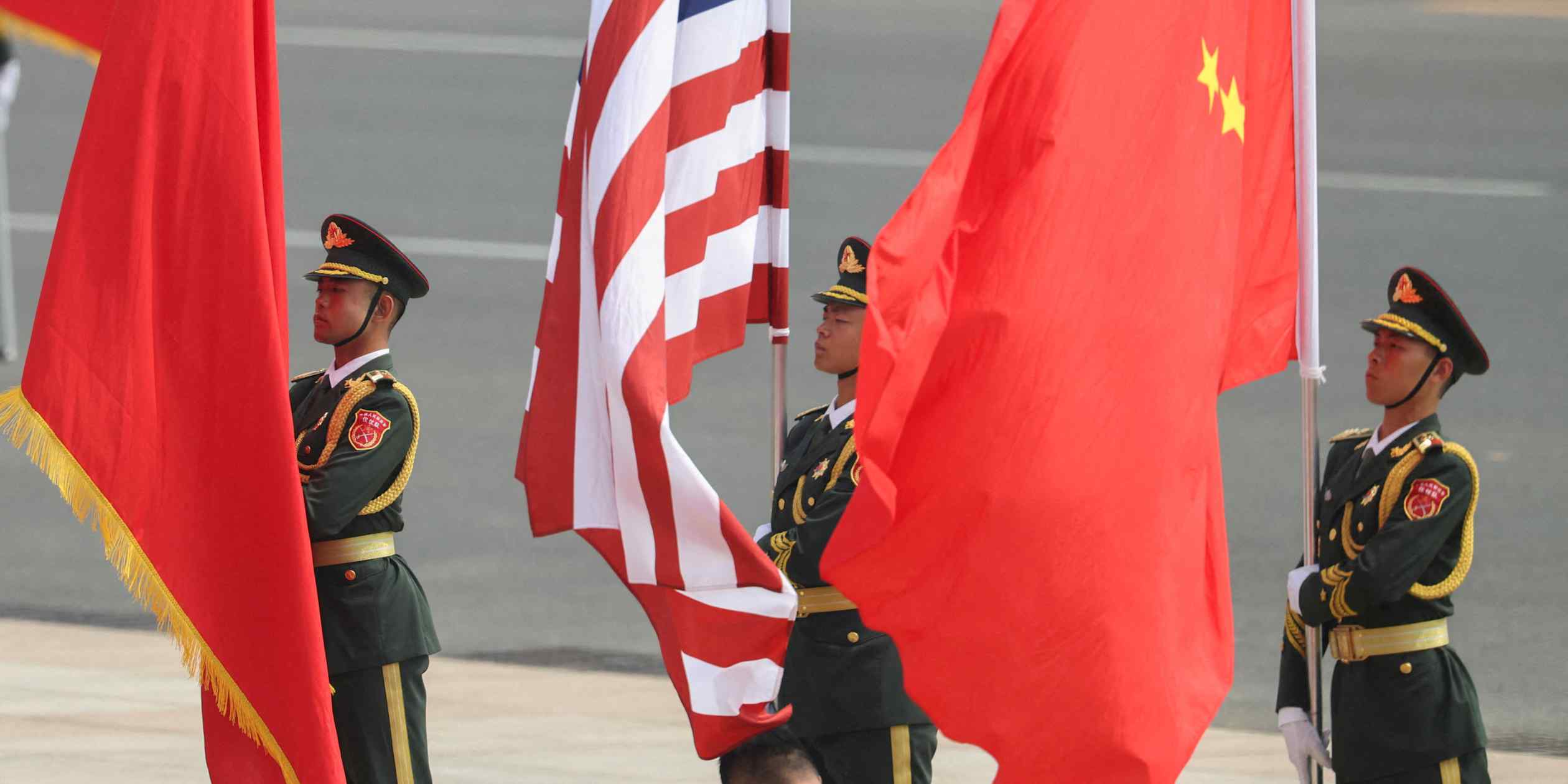
Artificial intelligence is expected to top the agenda when Chinese President Xi Jinping meets US President Donald Trump in Washington on September 24, with both governments signaling openness to discussing guardrails on frontier AI despite a deepening technology rift, Nikkei Asia reported Sunday.
Guardrails on the table
Treasury Secretary Scott Bessent has called for "guardrails and closer communication" between what he described as the world's two leading AI powers. According to officials familiar with the preparations, the two sides will discuss how to manage powerful AI models that could reshape military balances, enable cyberattacks on critical infrastructure and disrupt labor markets.
Trump confirmed in July that he and Xi had already discussed AI during his state visit to Beijing in May, teasing potential cooperation on AI safety regulations. The September summit would be the first time the two leaders formally address frontier-model governance face to face on US soil.
Cooperation amid decoupling
The diplomatic opening comes against a backdrop of accelerating technological separation. Washington maintains sweeping export controls on advanced chips even as Nvidia plots a China comeback with an inference-focused part, while Beijing has poured resources into domestic silicon — from Huawei's Ascend 950 to Zhipu's all-Chinese-chip gigawatt data center. This week, Alibaba Cloud, Cambricon and Ant Group took governance seats in the PyTorch Foundation, deepening China's stake in the open-source stack.
That makes the summit's AI track unusually consequential: the two countries are racing apart on infrastructure while their leaders explore whether any shared rules are possible at the model layer.
Expectations are modest
Analysts caution against expecting a breakthrough. One assessment cited by regional observers predicts "a handful of toothless risk management clauses" as the most likely outcome, given mutual distrust and the commercial stakes. But even a thin framework — incident notification channels, or agreed red lines on AI in nuclear command and control — would mark the first bilateral AI governance mechanism between the superpowers, and a template smaller nations across Asia are watching closely.
Newsletter
Get Lanceum in your inbox
Weekly insights on AI and technology in Asia.