Apptronik Opens 90,000-Sq-Ft 'Robot Park' to Feed Real-World Data Into Gemini Robotics
The Google-backed humanoid maker unveils Apollo 2 and a flagship training facility built on a continuous learning loop with DeepMind — where simulation meets slipping feet and aging hardware.
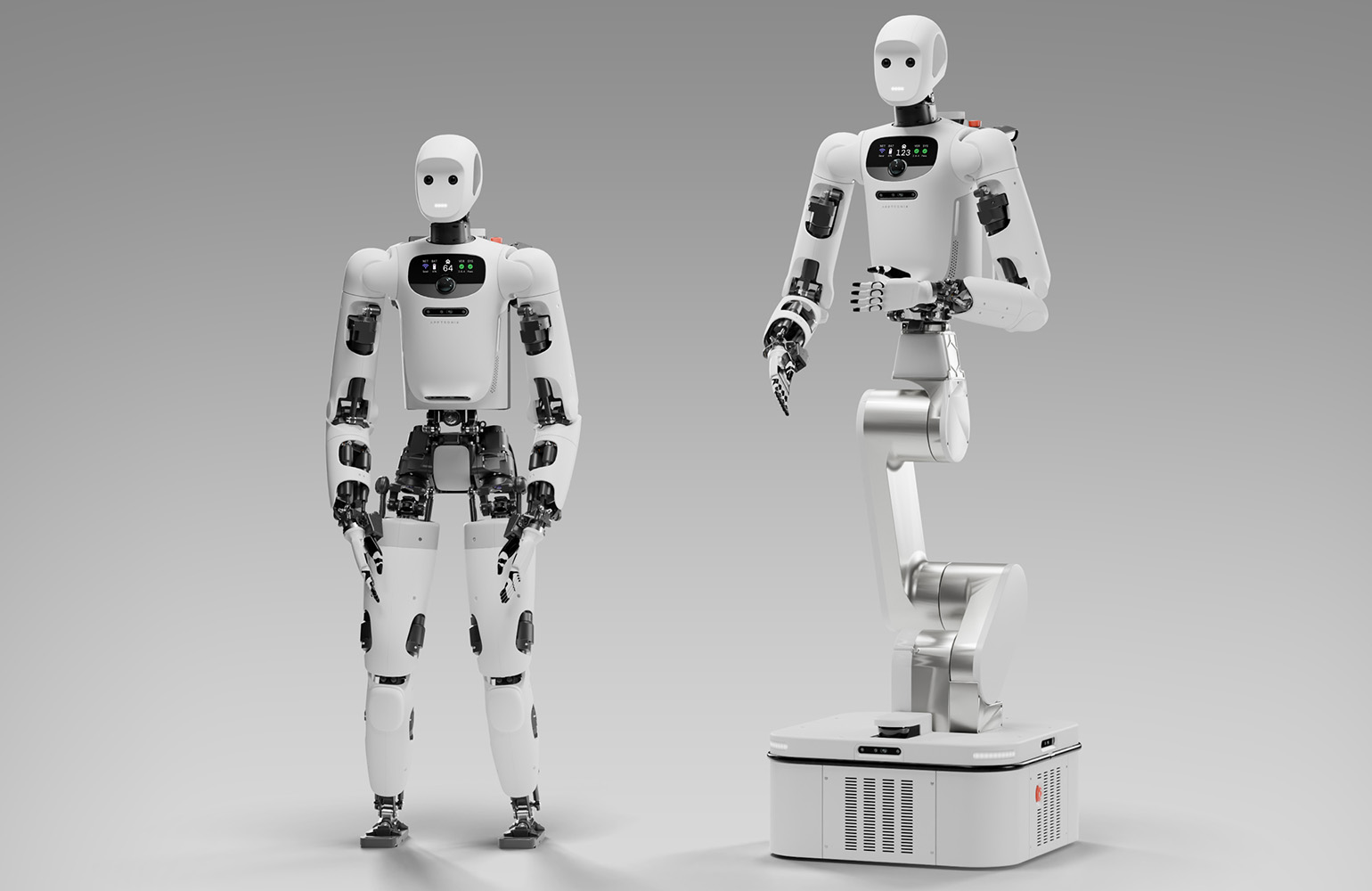
Apptronik has opened a nearly 90,000-square-foot expanded "Robot Park" — its flagship training and data collection facility — alongside the unveiling of Apollo 2, the next generation of its industrial humanoid, available in both bipedal and wheeled-base configurations.
The facility anchors a network of Robot Park sites at customer and partner locations including Google DeepMind, Mercedes-Benz and GXO, and formalizes what has become the central research question in embodied AI: how to close the gap between simulation and the physical world.
Where Simulation Breaks
Apptronik's methodology combines teleoperation, autonomous execution and high-fidelity physical simulation. The company's framing of the problem is unusually candid: simulations run all day, every day, but they don't account for aging actuators, thermal drift, or a robot's foot slipping on a dusty floor. Robot Park exists to "capture that physical nuance" — running Apollo units through real industrial tasks at scale and feeding the resulting data back into training.
That data flows into a continuous learning loop with the Google DeepMind robotics team: robots work, collect data, and improve with every cycle, with the growing dataset used to train and refine the Gemini Robotics vision-language-action models that will drive Apptronik's commercial fleet.
The Data Race Beneath the Robot Race
The announcement clarifies the actual competitive terrain in humanoids. China dominates manufacturing volume — Unitree and AgiBot shipped over 5,000 units each last year — but volume without task data trains nothing. Apptronik's bet, backed by Google's capital and models, is that a smaller fleet performing real work in instrumented environments produces the scarcer asset: embodied training data with ground truth.
It's the same thesis driving Tesla's Optimus factory deployments and China's state-mandated "work mode" deployments due by year-end. Every serious player has converged on the same insight — the winner of the humanoid race won't be whoever builds the most robots, but whoever builds the flywheel where deployment generates the data that makes deployment worth paying for. Robot Park is Apptronik's version of that flywheel, opened to public view.
Newsletter
Get Lanceum in your inbox
Weekly insights on AI and technology in Asia.