Sila Raises $300M to Expand Moses Lake Plant Toward World's Largest Anode Facility
Bucking the EV slowdown, the silicon-anode maker landed backing from Atreides and Sutter Hill to scale Titan Silicon production — with supply deals spanning Mercedes-Benz and Panasonic.
Battery materials startup Sila has raised $300 million in private funding to expand US production of its silicon-carbon anode technology — a bet that next-generation battery chemistry can thrive even as the EV market cools.
Gigascale or bust
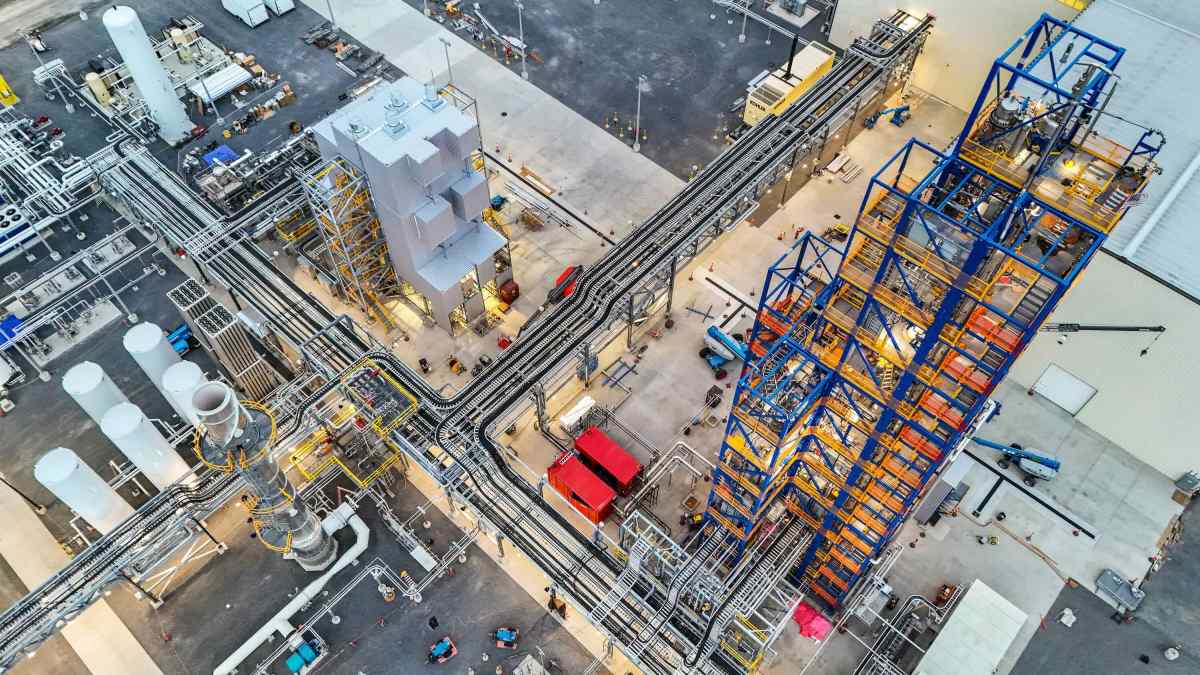
Atreides Management and Sutter Hill Ventures led the round, joined by 8VC, Bessemer Venture Partners, Matrix Partners and funds advised by T. Rowe Price. The capital funds a second-phase expansion of Sila's Moses Lake, Washington facility, which began operations in fall 2025 on a 160-acre site. Staged buildouts are planned to reach up to 250 GWh of capacity over five years — which would make Moses Lake the world's largest anode production facility.
Sila's Titan Silicon material replaces graphite anodes in lithium-ion cells, delivering 20 to 40 percent higher energy density. Its customer roster spans autos and electronics, with supply agreements including Mercedes-Benz and Panasonic — the latter giving the American startup a foothold in Asia's battery supply chain, which still dominates global cell production.
The strategic subtext
The company frames the raise in the language of the moment: strengthening "America's technology sovereignty." Graphite anode processing is overwhelmingly concentrated in China, and Beijing's export-licensing regime for battery materials has turned anode supply into a national-security talking point in Washington. Drone makers and defense integrators — not just EV lines — are increasingly cited as demand for domestically produced anode material.
That framing is working where EV-demand stories no longer do. With battery startups struggling to raise against softening car sales, Sila's ability to close $300 million signals that investors will still fund electrochemistry — provided it doubles as supply-chain insurance. Energy density sells cars; sovereignty, it turns out, sells rounds.
Newsletter
Get Lanceum in your inbox
Weekly insights on AI and technology in Asia.