Anthropic Walks Away From $6 Billion Decart Acquisition After Due Diligence•OpenAI Becomes Anchor Customer of Nvidia-Backed Firmus for Malaysian AI Factories•Japan's AI Data Center Capacity Set to Quadruple to 4.9 GW by 2033 With $60 Billion Buildout•All Three Majors Are Now Suing Anthropic. The AI Copyright Endgame Is Taking Shape•The Backlash Has Arrived: Asia's Data Center Boom Is Colliding With the People Who Live Next Door•Groq, Nemotron, Now Hugging Face: Nvidia Isn't Buying Companies — It's Buying the Open AI Ecosystem•Travis Kalanick's Atoms Eyes Robotaxis — With Uber's $100 Million and His Old AV Team•Fluidstack Closes $1.5 Billion Led by Jane Street — Revenue Up From $1.8M to a Projected $660M, While Owning Zero Chips•Anthropic Walks Away From $6 Billion Decart Acquisition After Due Diligence•OpenAI Becomes Anchor Customer of Nvidia-Backed Firmus for Malaysian AI Factories•Japan's AI Data Center Capacity Set to Quadruple to 4.9 GW by 2033 With $60 Billion Buildout•All Three Majors Are Now Suing Anthropic. The AI Copyright Endgame Is Taking Shape•The Backlash Has Arrived: Asia's Data Center Boom Is Colliding With the People Who Live Next Door•Groq, Nemotron, Now Hugging Face: Nvidia Isn't Buying Companies — It's Buying the Open AI Ecosystem•Travis Kalanick's Atoms Eyes Robotaxis — With Uber's $100 Million and His Old AV Team•Fluidstack Closes $1.5 Billion Led by Jane Street — Revenue Up From $1.8M to a Projected $660M, While Owning Zero Chips•Anthropic Walks Away From $6 Billion Decart Acquisition After Due Diligence•OpenAI Becomes Anchor Customer of Nvidia-Backed Firmus for Malaysian AI Factories•Japan's AI Data Center Capacity Set to Quadruple to 4.9 GW by 2033 With $60 Billion Buildout•All Three Majors Are Now Suing Anthropic. The AI Copyright Endgame Is Taking Shape•The Backlash Has Arrived: Asia's Data Center Boom Is Colliding With the People Who Live Next Door•Groq, Nemotron, Now Hugging Face: Nvidia Isn't Buying Companies — It's Buying the Open AI Ecosystem•Travis Kalanick's Atoms Eyes Robotaxis — With Uber's $100 Million and His Old AV Team•Fluidstack Closes $1.5 Billion Led by Jane Street — Revenue Up From $1.8M to a Projected $660M, While Owning Zero Chips•
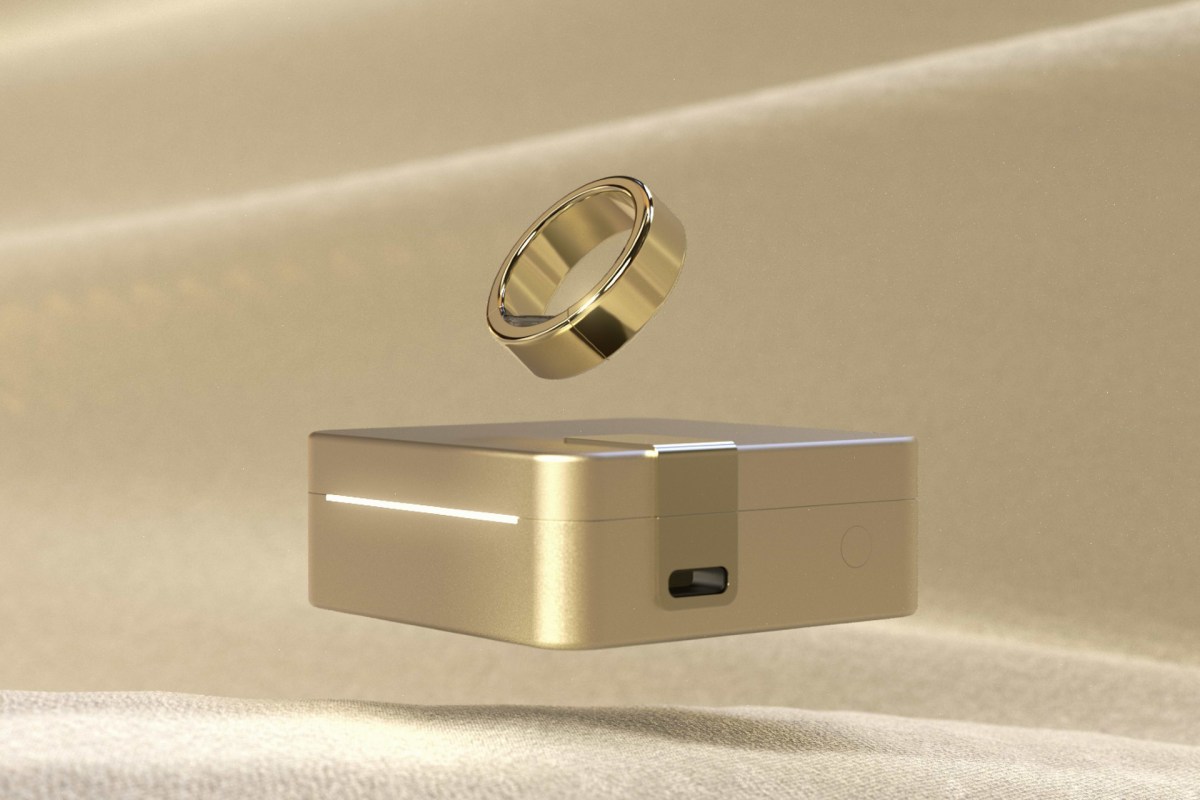
Ultrahuman's Ring Pro smart ring wearable device
Ultrahuman / TechCrunch
Startups

Qualcomm Backs India's Ultrahuman in $70M Round to Turn Smart Rings Into Computers

The Bengaluru wearables maker hits a $365 million valuation — triple its 2023 mark — as it builds a Qualcomm-powered ring that runs apps on-device and targets a $200 million revenue run rate by January 2027.

R
Rina ChandraTech Reporter
3 min read

Ultrahuman, the Bengaluru-based startup best known for its health-tracking smart rings, has raised $70 million in a round that includes Qualcomm's venture arm — capital it will use to push the smart ring beyond passive sensing and into something closer to a wearable computer.

The round

The financing comprises $65 million in primary equity and $5 million in debt, valuing Ultrahuman at about $365 million — roughly triple its $120 million valuation from 2023. Qualcomm Ventures was joined by US diagnostics giant Labcorp, Alpha Wave, Blume Ventures, Nexus Venture Partners, and Alteria Capital.

From tracker to platform

The strategic heart of the deal is a new ring being co-developed on Qualcomm silicon, designed to run software on the device itself rather than serving purely as a sensor feeding a phone app. Some of those capabilities arrive sooner: a software update due by the end of September will let the existing Ring Air and Ring Pro act as a game controller and interact with AI applications.

The thesis — that the ring becomes an ambient interface for AI assistants, payments, and gesture control — pits Ultrahuman directly against Finland's Oura and Samsung's Galaxy Ring, both of which remain firmly in the health-tracking lane. Labcorp's participation points at the other flank: clinically validated diagnostics from continuous biometric data.

An Indian hardware story with global numbers

Ultrahuman is targeting a $200 million annual revenue run rate by January 2027, manufacturing in India while selling predominantly to Western consumers — a hardware trajectory few Indian consumer startups have managed. For Qualcomm, whose chips power most Android flagships, the bet is cheap optionality on the next form factor: if AI wearables move computing off the phone, the company intends to be inside whatever replaces it.

Newsletter

Get Lanceum in your inbox

Weekly insights on AI and technology in Asia.

Share

More in Startups

Lanceum

Independent coverage of AI and technology across Asia. We go beyond headlines to explain what matters.

Colophon

Typeset in Space Grotesk & DM Serif Display. Built with Nuxt & Tailwind. Powered by curiosity.

© 2026 Lanceum. All rights reserved.

Independent • Rigorous • Asia-Focused