The AI Trade Went Global in H1 2026 — and Asia Is Carrying It
Korea, Taiwan and Japan powered the first half's market gains as the AI trade broadened beyond Silicon Valley. The question for H2: is Asia's leadership durable, or dangerously concentrated?
Six months ago, the AI trade was still shorthand for a handful of US mega-caps. At the halfway mark of 2026, the picture looks fundamentally different: the biggest beneficiaries of the AI boom this year have been in Seoul, Taipei and Tokyo. Fund managers now describe it as "the AI trade gone global" — and Asia is doing the heavy lifting.
What Actually Happened
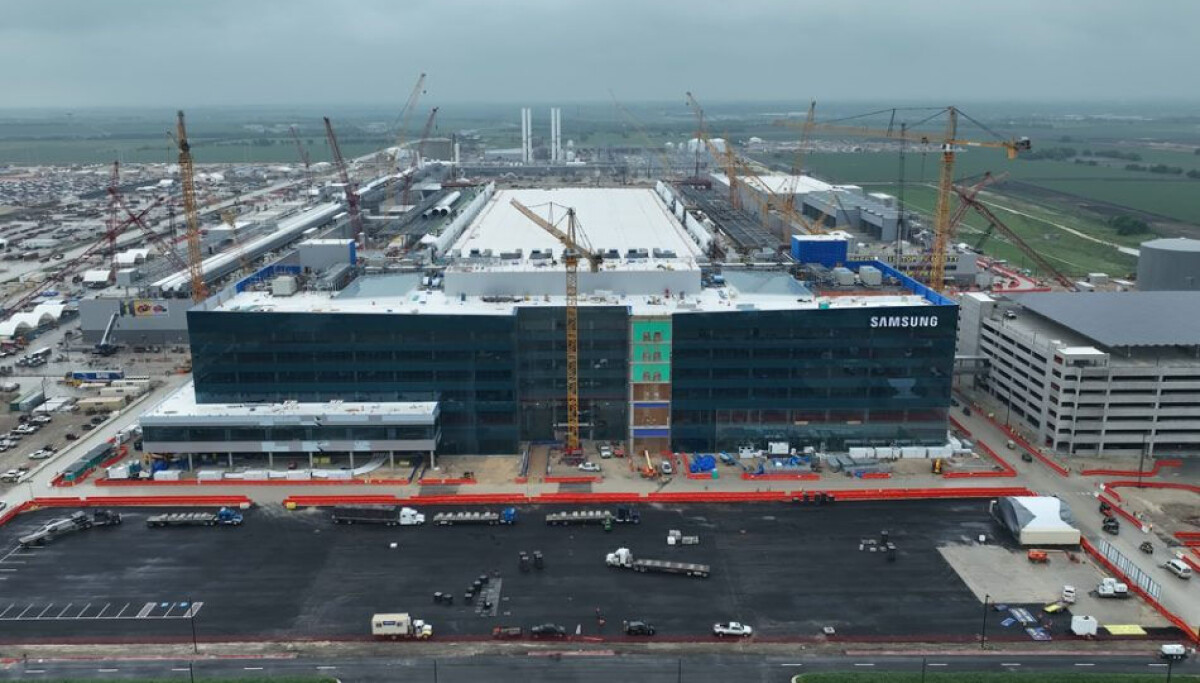
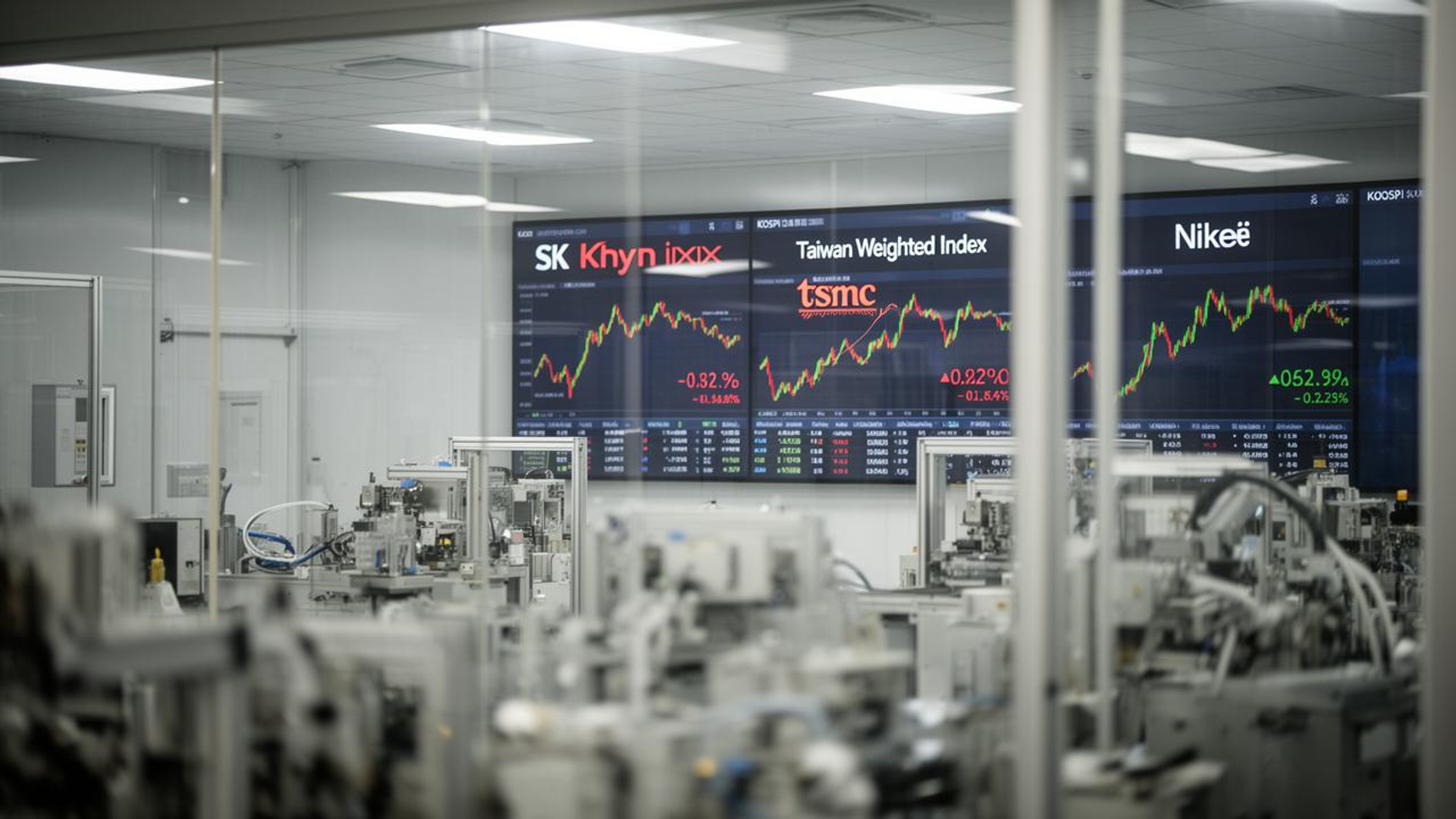
The first half's market story was written in Asian hardware. South Korea's KOSPI ranked among the world's best-performing major indices, driven by Samsung Electronics and SK Hynix's dominance of high-bandwidth memory. Taiwan rode TSMC, which manufactures essentially every advanced AI accelerator on earth. Japan's rally drew record foreign inflows — some $60 billion into Japanese stocks — as investors bought the country's materials, precision equipment and robotics exposure as an AI infrastructure play.
The logic is straightforward: whatever happens in the model race, the compute buildout runs through Asia. Taiwan makes the chips, Korea makes the memory, Japan makes the tools and materials. US hyperscaler capex, Middle Eastern sovereign money and now Asia's own trillion-dollar national programs — Korea's $518 billion chip expansion, Japan's sovereign AI push, India's data center corridors — all converge on the same suppliers.
The Concentration Problem
The uncomfortable subtext is concentration. In each market, the AI trade runs through a very small number of names: two memory makers in Korea, one foundry in Taiwan, a narrow band of equipment and materials firms in Japan. Analysts have spent the past month warning that this concentration leaves the region's indices exposed to sharp corrections if AI sentiment wobbles.
The first half provided a live demonstration. Korean equities suffered a circuit-breaker selloff during the spring AI scare, then rebounded 5.8 percent in a single session on July 3 when weak US jobs data revived rate-cut hopes. These are not the dynamics of a mature bull market; they are the dynamics of a crowded trade with no obvious alternative.
The Bull Case for Durability
What separates this from past cycles is that Asia is no longer just the supplier — it is becoming the customer. China's embodied AI program is industrializing humanoid robotics at national scale. Korea and Japan are building sovereign compute measured in gigawatts. India's AI adoption curve is the steepest of any large economy. Regional AI demand is starting to generate revenue that does not depend on Silicon Valley's capex mood.
The structural argument, made by everyone from State Street to the World Economic Forum, is that Asia-Pacific could lead the next phase of AI entirely: it has the manufacturing base for physical AI, the population scale for deployment, and governments willing to spend like it is an arms race — because it is.
What to Watch in H2
Three things will determine whether Asia's AI leadership survives the second half. First, memory pricing: HBM supply agreements lock in next year's economics for Korea's giants. Second, the won's new 24-hour trading regime, which begins today and will transmit global AI sentiment into Korean assets in real time. Third, whether China's humanoid shipment targets — 50,000 units this year — turn embodied AI from a story into an earnings line.
The AI trade went global in the first half. In the second, it has to prove it went durable.
Newsletter
Get Lanceum in your inbox
Weekly insights on AI and technology in Asia.