China's Memory Makers Come for Samsung and SK Hynix — With Capital, Talent and State Backing
Apple's flirtation with CXMT and YMTC is the clearest sign yet that Chinese DRAM and NAND are graduating from budget alternative to strategic threat, just as Korea bets $520 billion on defending its lead.
For a generation, the memory chip business has been a Korean-led oligopoly. Samsung Electronics and SK Hynix, together with America's Micron, have controlled the DRAM and NAND markets so tightly that pricing moved in near-lockstep cycles. That structure is now under real pressure — and the pressure is coming from China.
The clearest signal arrived last week, when reports surfaced that Apple is in talks to buy memory from CXMT and YMTC, two Chinese makers on a U.S. defense blacklist. For the most demanding customer in consumer electronics to even consider Chinese memory is a validation Beijing's chipmakers could not have bought.
The AI boom created the opening
Ironically, the Korean giants' own success created the vulnerability. The AI data-center boom has pulled Samsung and SK Hynix toward high-bandwidth memory (HBM) and premium server DRAM, where margins are fat and demand is insatiable. That reallocation has left the commodity memory market — the mobile DRAM and NAND that go into phones and laptops — under-supplied and expensive.
That is precisely the segment where CXMT and YMTC have been quietly closing the technology gap. With abundant capital, aggressive talent recruitment and heavy state support, they have moved up the process ladder faster than most analysts predicted. YMTC is set to re-enter South Korea's own SSD market this month — a symbolic incursion into the incumbents' backyard.
Korea's $520 billion answer
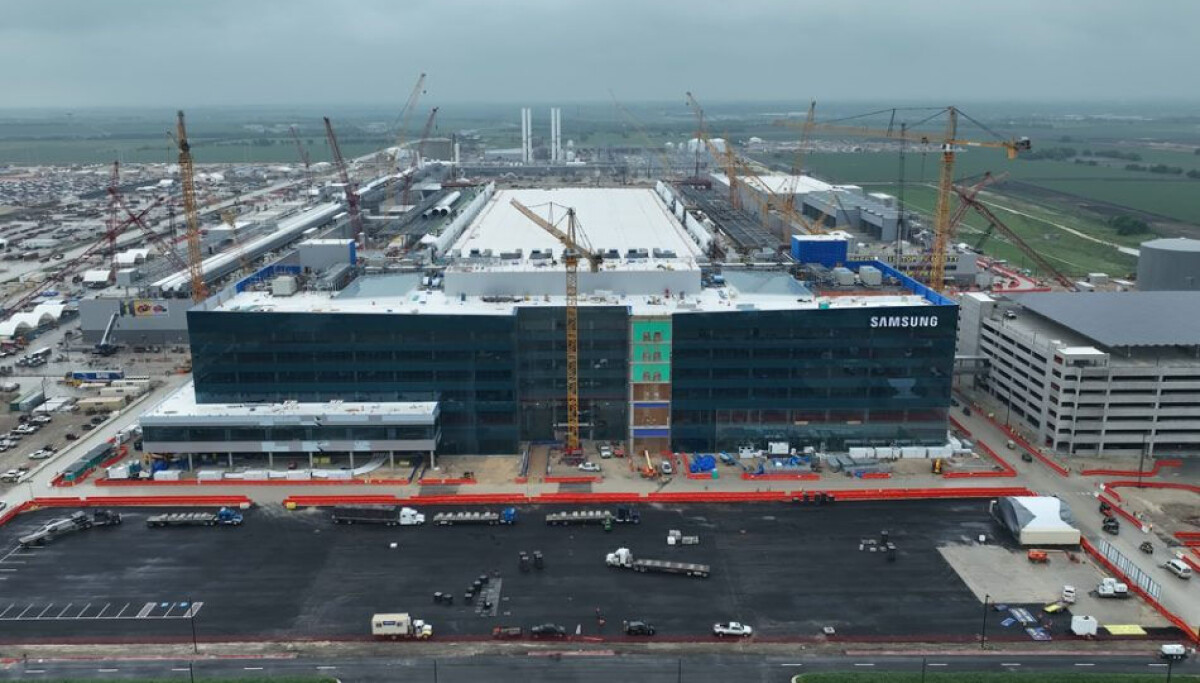
Seoul is not standing still. Samsung and SK Hynix have unveiled a combined 800 trillion won (~$520 billion) plan to expand chipmaking in Korea's Jeolla and Yongin clusters, part of a broader national push to double memory capacity within five years and compress traditional 7-to-12-year fab timelines.
But scale alone may not be the right defense. The Chinese challenge is not primarily about volume — it's about the commoditization of the low-end, which erodes the pricing discipline that has made the memory business so profitable. If Chinese supply floods the commodity tier, the entire industry's boom-bust cycle could deepen, squeezing the cash flow the Koreans need to fund their HBM lead.
The geopolitical wildcard
The Apple talks also expose the limits of export controls. Washington can restrict what China buys, but it has less leverage over what China sells — especially when American companies, facing their own memory crunch, become willing buyers. Some Trump administration officials oppose an Apple-CXMT deal, and it may yet collapse. But the fact that it is being discussed at all reveals a shift: Chinese memory has crossed from "cheap and risky" to "cheap and strategically tempting."
The bottom line
The memory oligopoly isn't broken yet. Samsung and SK Hynix still own the high-margin HBM frontier that AI depends on, and Chinese makers remain a generation behind at the cutting edge. But the floor is rising. For the first time, the Korean champions must defend not just their technological lead but the market structure that made that lead so lucrative — and they must do it while pouring half a trillion dollars into an AI cycle that could turn at any time.
Newsletter
Get Lanceum in your inbox
Weekly insights on AI and technology in Asia.