Three Labs, One Day, Ten Models: The Frontier AI Market Has Never Been This Competitive
With GPT-5.6, Grok 4.5 and Claude's flagship family all publicly available at once — and prices spanning $0.44 to $50 per million tokens — the frontier has become a buyer's market. Here's what that changes.
July 9, 2026 will be remembered as an inflection point. For the first time, frontier models from OpenAI, SpaceXAI and Anthropic were simultaneously, publicly available — no export-control carve-outs, no trusted-partner waitlists, no government preview windows. Ten frontier-class models now compete openly, priced anywhere from $0.44 to $50 per million tokens. The question is no longer whether you can access cutting-edge AI. It's how little you have to pay for it.
How We Got Here
Six months ago the frontier was rationed. Export-control disputes suspended Anthropic's flagship for weeks; OpenAI's GPT-5.6 spent thirteen days behind a government-coordinated access list; Grok's best models lived in private beta at SpaceX and Tesla. Scarcity, not price, defined the market.
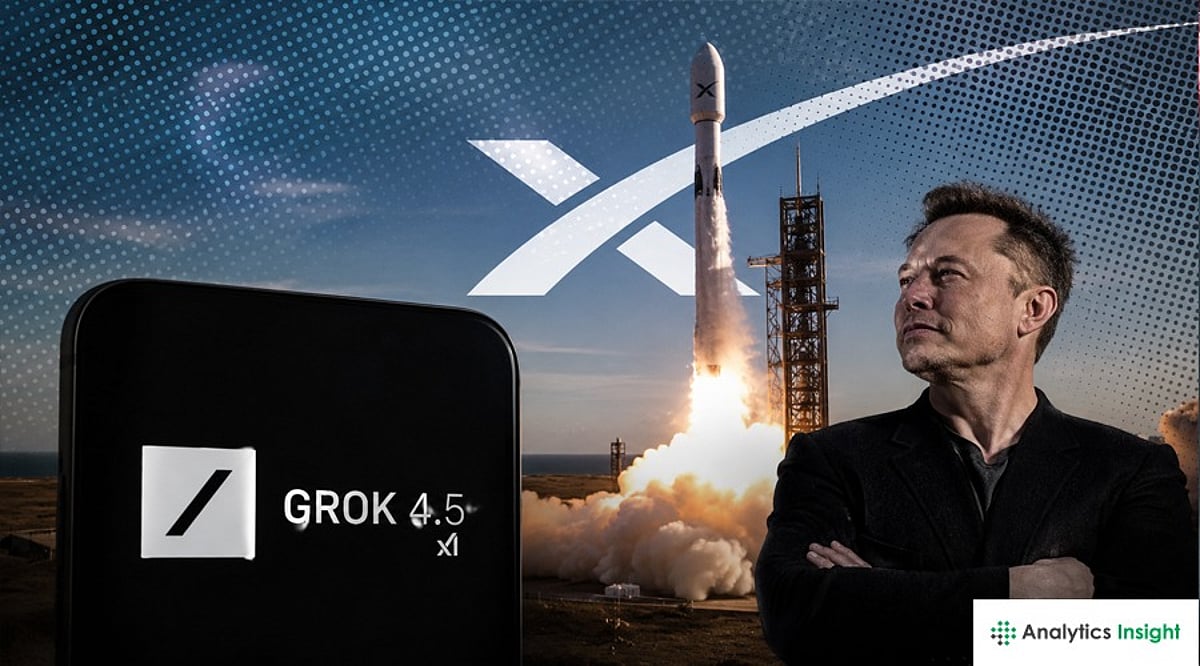
That regime collapsed in a single week. GPT-5.6's Sol, Terra and Luna tiers went public at $5/$30, $2.50/$15 and $1/$6 respectively. Grok 4.5 launched at $2/$6 with Musk claiming Opus-class performance. Claude Sonnet 5 holds the value position at introductory pricing while the restored Fable flagship anchors the high end. And beneath them all, Chinese open weights — GLM-5.2 at $1.40 input, DeepSeek V4-Pro at $0.87 — set a floor that keeps falling.
The Routing Economy
The practical consequence is that model selection has become a portfolio problem. The pricing spread rewards developers who route ruthlessly: the hardest agentic coding tasks to Sol Ultra or Claude's flagship, production workloads to Sonnet 5 or Grok 4.5, high-volume pipelines to Luna or Chinese open weights at a tenth of the cost.
Benchmark results reinforce the case. GPT-5.6 Luna — the budget tier — outscored its own mid-tier sibling Terra on Terminal-Bench 2.1, evidence that speed-optimized small models can beat bigger ones on specific workloads. When a $1 model beats a $2.50 model from the same lab, blind brand loyalty becomes an expensive habit.
Who Wins, Who Bleeds
The buyer's market is unambiguously good for enterprises, and especially for Asia's cost-sensitive adopters — the Indian IT majors, Southeast Asian super-apps and Chinese enterprises that consume tokens at civilizational scale. Their inference bills are collapsing even as capability rises.
For the labs, the arithmetic is harsher. Price competition at the frontier compresses the margins that were supposed to fund the next training runs — a problem sharpened by the IPO calendar. OpenAI is expected to run its roadshow in September, Anthropic in October, and SpaceXAI already trades publicly. All three must now convince investors they can win a price war and fund $100 billion compute programs simultaneously.
The Asian Shadow Over the Price Curve
The uncomfortable truth for Western labs is that they did not choose this price war — China's open-weight ecosystem forced it. Every frontier price cut this year has followed, not led, an open-weight release from Hangzhou or Beijing. If Beijing follows through on reported plans to restrict access to its best models, the floor under global pricing could rise again. Until then, the most competitive market in AI history keeps compounding in the buyer's favor.
Newsletter
Get Lanceum in your inbox
Weekly insights on AI and technology in Asia.