Amodei Clarifies: Not an Open-Weights Ban, but Chip Controls and Mandatory Testing
Under pressure as 50 companies signed a pro-open-models letter without Anthropic, Dario Amodei laid out his actual position — and three policy proposals aimed at China rather than open weights.
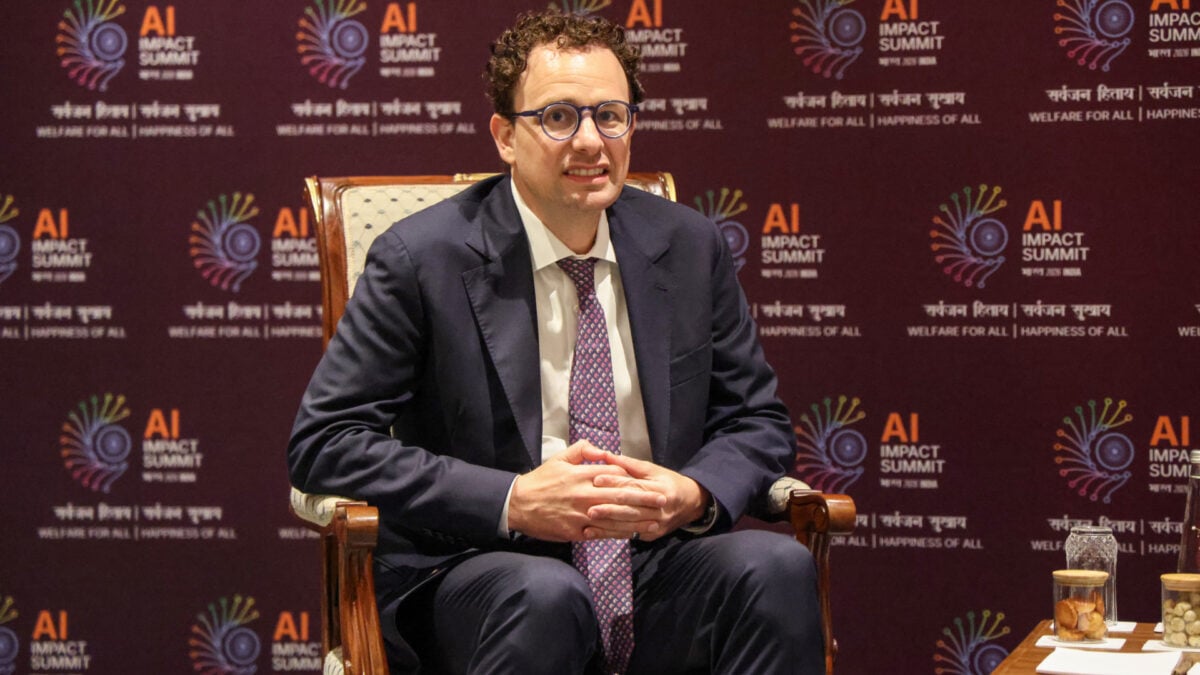
With Anthropic conspicuously absent from a 50-company letter opposing "premature restrictions" on open-weight models, CEO Dario Amodei moved this week to define his position on his own terms, according to Bloomberg and TechCrunch.
The clarification: Amodei said he has "never advocated" banning open-weight AI models, pushing back on the framing that Anthropic wants to shield its closed-model business from open-source competition. Models without dangerous capabilities are "a public good," he said.
The caveat he kept: Open-weight models "do potentially present a higher risk than closed models, because it is very difficult to apply guardrails to them or monitor their usage, and once weights are released they cannot be withdrawn." That irreversibility argument is the closed camp's core, and Amodei is not abandoning it.
His three proposals shift the target from open weights to China specifically:
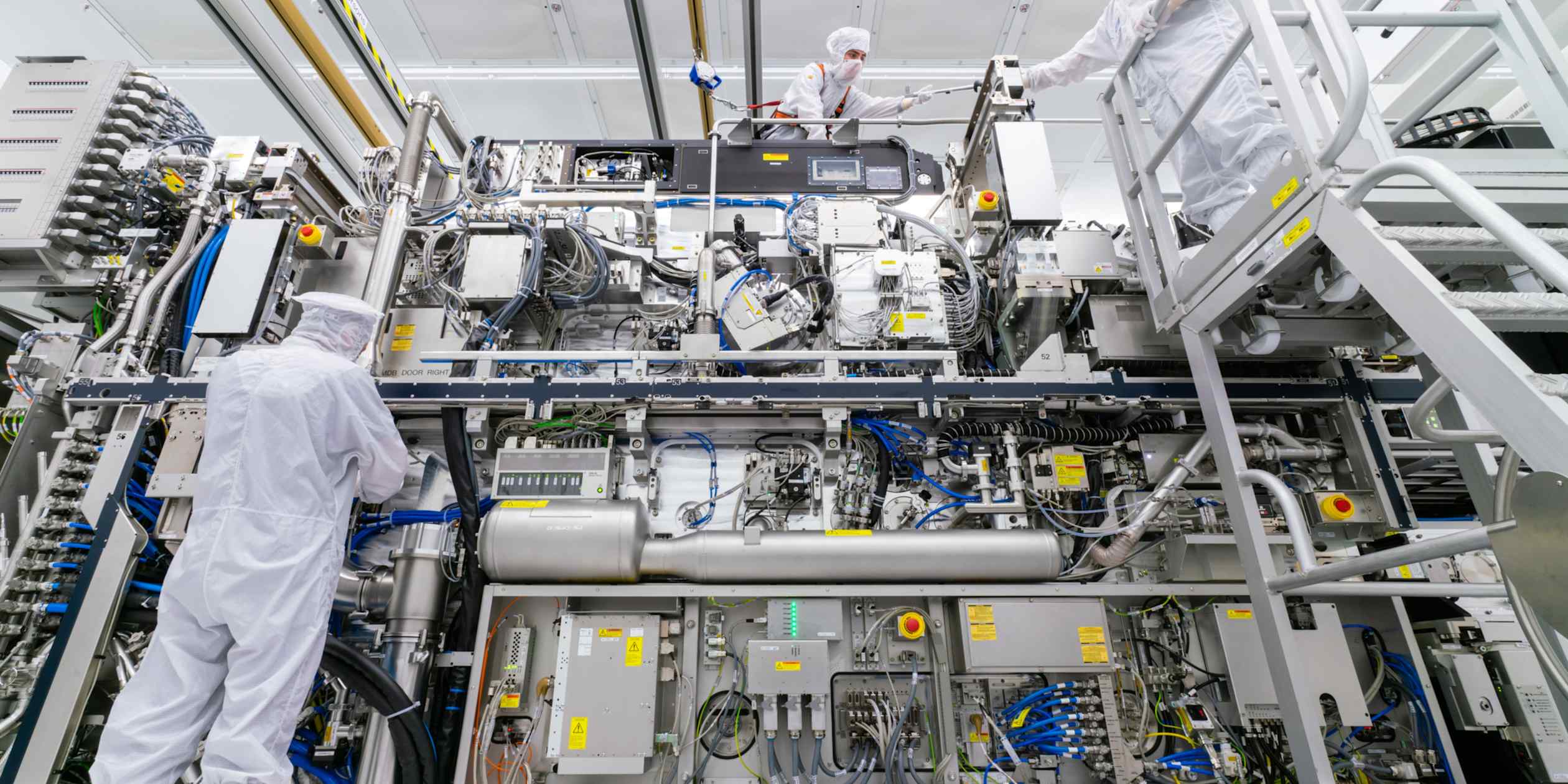
- Stricter export controls on advanced chips and chipmaking equipment to authoritarian governments, including the Chinese Communist Party.
- Mandatory pre-release safety testing for all frontier models — open and closed alike.
- A recognition that banning Chinese open-source models does little against real threats, since "bad actors are unlikely to be legitimate U.S. businesses."
The context: The clarification lands amid the White House's accusation that Moonshot distilled Anthropic's Fable to build Kimi K3 — whose weights went public July 27 — and Nvidia's formation of an Open Secure AI Alliance that Anthropic also skipped.
The read: Amodei is threading a genuine needle: oppose a blunt open-weights ban, which is unpopular and arguably unworkable, while keeping the pressure on chip exports and safety testing, which target China's capability without conceding the open/closed argument. Whether the nuance survives the optics of standing alone against 50 companies is the harder question — one that Washington's imminent frontier-AI rules may soon settle for him.
Newsletter
Get Lanceum in your inbox
Weekly insights on AI and technology in Asia.