APEC Ministers, Including US and China, Endorse Open-Source AI in Chengdu Statement
All 21 APEC economies agreed on five digital priority areas at the July 23 ministerial in Chengdu — including a first-ever minister-level endorsement of open-source AI models backed by 'strong security assurance.'
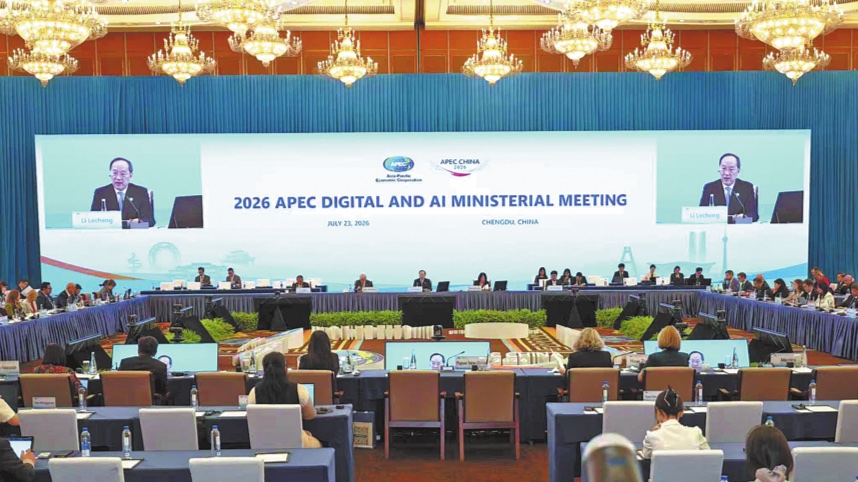
APEC's Digital and AI Ministerial Meeting closed in Chengdu on July 23 with a consensus outcome few expected in a tense year for regional tech diplomacy: all 21 member economies — the United States and China among them — signed on to a joint statement covering five priority areas, including an explicit endorsement of open-source AI.
The meeting, chaired by China's Minister of Industry and Information Technology Li Lecheng, produced what has been dubbed the Chengdu Statement. According to Li, it is the first APEC AI statement to include open-source cooperation at the ministerial level, CNBC reported.
What the statement says
The five priority areas are universal and meaningful digital connectivity; digital technologies and AI for economic growth; digital literacy and skills; a trusted digital environment; and investment and open source for the digital ecosystem.
The open-source language is notable for bridging Washington and Beijing's positions: "We encourage member economies to support open-source models and projects that employ strong security assurance through development and deployment," the ministers wrote, adding a commitment to engage with open-source communities while respecting intellectual property protections.
Ministers also called for accelerating responsible AI adoption across sectors and backed "human-centered, locally tailored AI products and services" reflecting the region's diversity.
Scams and the digital divide
Beyond AI, the statement registered "deep concern over the escalation of online scam activities across our region," committing members to information-sharing on ICT security, data protection and anti-scam measures. Ministers also pledged to improve the "affordability, accessibility and quality of networks in underserved, rural and remote areas."
The consensus outcome is a marked improvement on expectations set earlier in July, when analysts cautioned that US-China frictions made significant deliverables from Chengdu unlikely. With Chinese open-weight models climbing global usage rankings, a minister-level nod to secure open-source development gives both powers language they can claim as a win.
Newsletter
Get Lanceum in your inbox
Weekly insights on AI and technology in Asia.