Why Your Next PC's RAM Costs More: Samsung and SK Hynix Are Pivoting Wafers to Server DDR5
With 64GB server modules now out-earning HBM per wafer, Korea's memory giants are steering capacity toward data centers — and analysts warn supply may cover only 60 percent of demand by 2027.
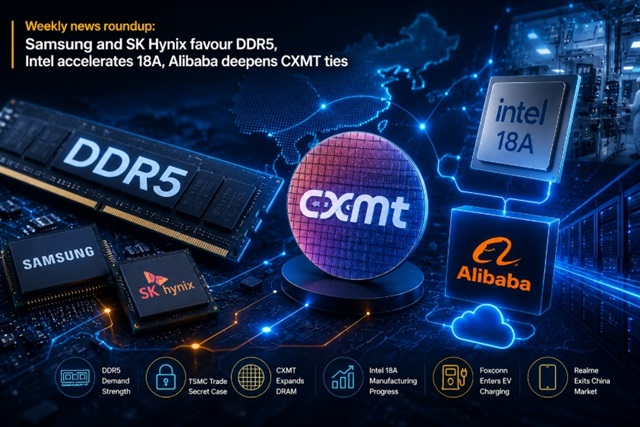
The AI data center is quietly reaching into consumer electronics and raising prices, and this week's memory-market reporting shows the mechanism plainly, according to a Digitimes weekly roundup.
The shift: Both Samsung and SK Hynix are reallocating flexible DRAM capacity toward server DDR5 while protecting their HBM commitments. The reason is pure economics — some 64GB DDR5 RDIMMs now generate higher revenue per wafer than HBM, the product usually cast as the crown jewel of the AI memory boom.
The squeeze: Every wafer redirected to server modules is a wafer not making memory for phones and PCs. Meritz Securities estimates suppliers met only 75–80 percent of total demand in the second half of 2026 — and that coverage could fall toward 60 percent in 2027 as AI infrastructure keeps absorbing output.
The downstream effect: That is why DDR5 prices for consumer devices have hit records, and why device makers are warning of memory-cost pressure. SK Hynix itself noted this quarter that smartphone and PC sales were "temporarily adjusted" because customers couldn't secure enough memory volume — a remarkable admission that the shortage is now rationing supply away from the mass market.
The bigger picture: The dynamic reframes the AI boom's cost. It is not only hyperscalers paying for compute; it is every consumer buying a laptop or phone, absorbing a hidden AI tax as data centers outbid them for the same silicon. With Korea's giants guiding capital expenditure to the top of their ranges and China's CXMT now flush from a record IPO, the memory market's structural tightness looks set to persist — and the next flashpoint may be whether domestic Chinese DRAM can relieve the consumer squeeze the AI buildout created.
Newsletter
Get Lanceum in your inbox
Weekly insights on AI and technology in Asia.