AI Virtual Try-On Startups Take On Retail's Multibillion-Dollar Returns Crisis
A wave of startups including Catches, Genlook, and AIUTA are using generative AI to let shoppers visualize fit before buying — and Nvidia is betting big on the space.
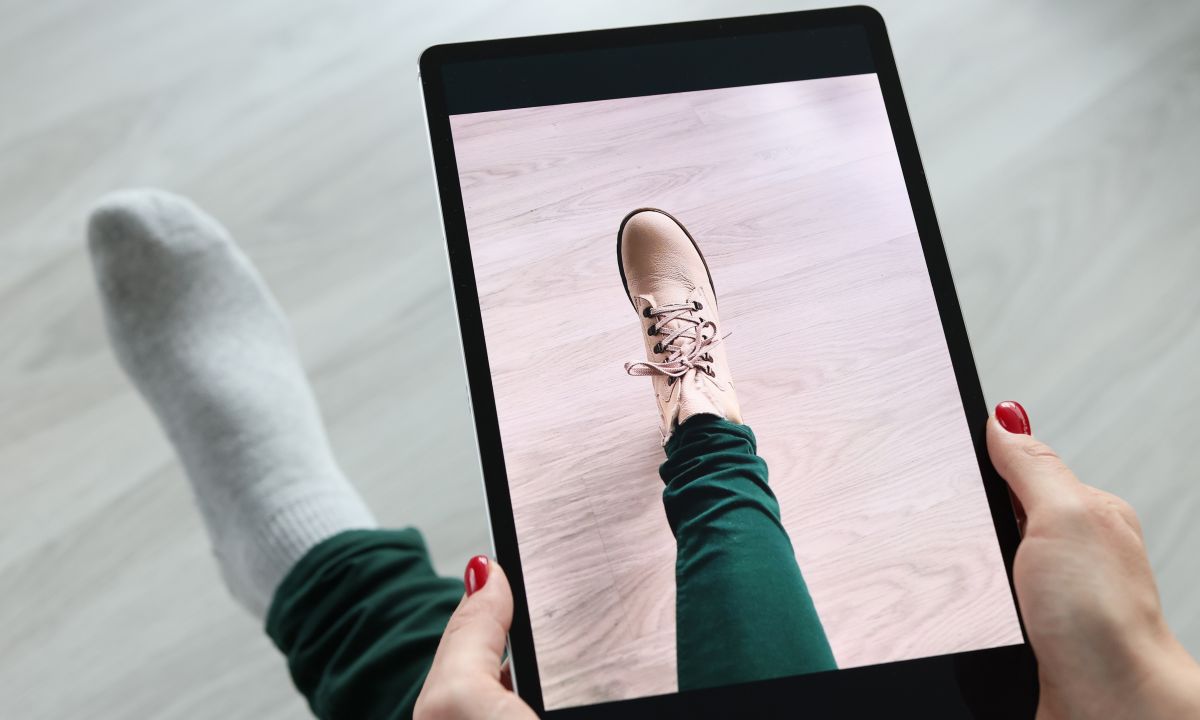
Online returns are a multibillion-dollar hemorrhage for the retail industry, and a new generation of AI startups believes generative AI can finally stop the bleeding. Using techniques ranging from physics-based cloth simulation to diffusion-model-powered "digital twins," these companies are giving shoppers a way to visualize fit and style before clicking "buy."
The Players
Catches has emerged as the frontrunner. The startup's platform creates a "digital twin" of the user to try on clothes with what it calls "mirror-like realism." The technology went live last month on luxury brand Amiri's website for a select range of items. At Nvidia's GTC conference, Catches announced a partnership with Nvidia to launch RealFit, a new platform using physics simulation to improve digital try-on accuracy.
Genlook has taken a different distribution approach, integrating its AI virtual try-on app directly into Shopify's commerce platform. Shopify says the integration "removes sizing doubts, boosts buyer confidence and drives higher conversion rates while reducing costly returns."
AIUTA partnered with ASOS to launch a virtual try-on experience in February, bringing AI-powered fit visualization to one of Europe's largest online fashion retailers.
The Market
The virtual try-on space has attracted more than $400 million in funding over the past five years, according to Business of Fashion. Competitors including Syte, ViSenze, and Lily AI offer overlapping capabilities in visual AI for product tagging and try-on. The space remains fragmented, but the recent Nvidia partnership and Shopify integration signal that virtual try-on is moving from novelty feature to core e-commerce infrastructure.
Why Now
Generative AI has crossed a quality threshold that makes realistic virtual try-on feasible for the first time. Earlier approaches relied on static 3D rendering that looked artificial. Today's diffusion-model-powered systems can generate photorealistic images of garments on a user's body, accounting for fabric drape, lighting, and body type in ways that were impossible even two years ago.
For retailers, the math is compelling: if virtual try-on can reduce return rates by even a few percentage points, the ROI is enormous at scale.
Newsletter
Get Lanceum in your inbox
Weekly insights on AI and technology in Asia.