Eclipse Raises $1.3 Billion to Build the 'Physical AI' Economy
The Cerebras-backing VC firm's largest fund yet targets robotics, defense, and AI infrastructure startups working in the physical world.
Venture capital firm Eclipse has raised $1.3 billion across two new funds to invest in startups building AI for the physical world — its largest fundraise to date, surpassing the $1.23 billion it raised in 2023. The capital is split between $720 million for early-stage investments and $591 million for later-stage deals.
The Physical AI Thesis
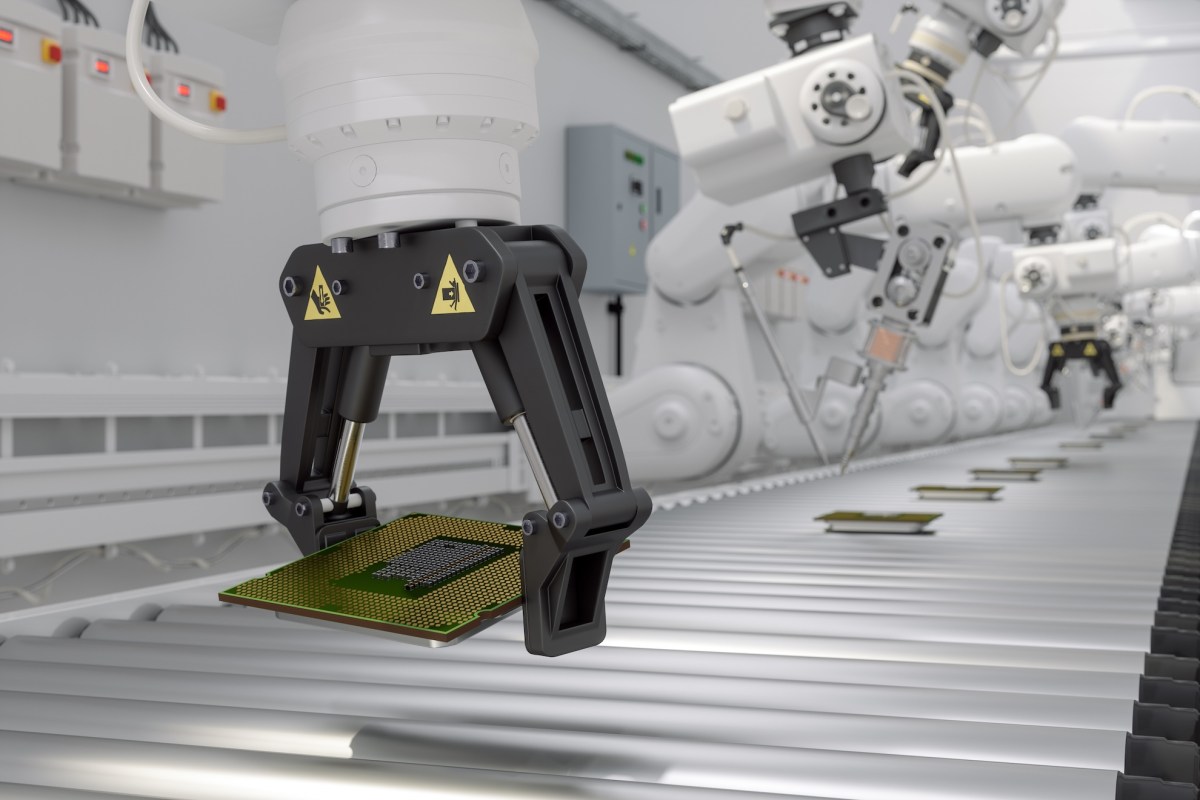
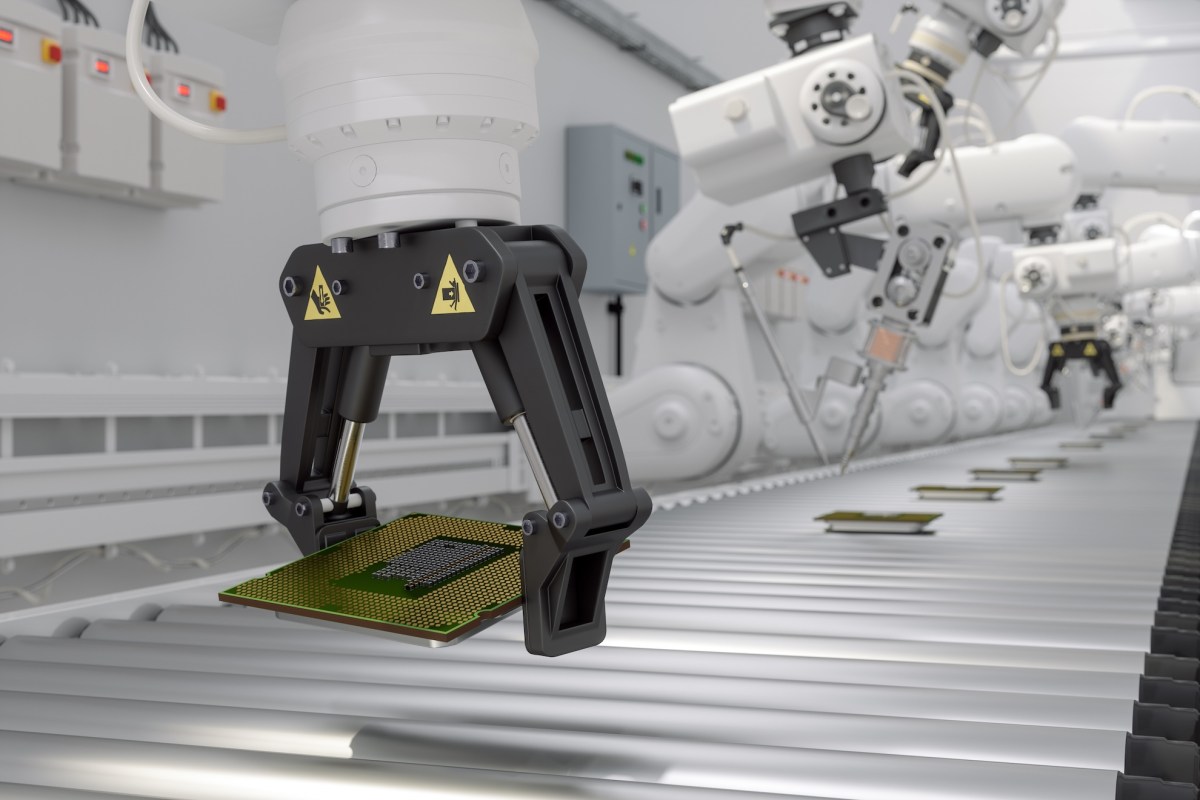
Eclipse's investment thesis centers on what it calls "physical AI" — artificial intelligence that interacts with the real world rather than generating text, images, or code. The firm is targeting companies across transportation, energy, infrastructure, compute, and defense that are applying AI to tangible, real-world problems.
The portfolio already reflects this conviction. Eclipse is an early backer of NVIDIA rival Cerebras Systems and has invested in electric boat developer Arc, battery recycling firm Redwood Materials, self-driving construction startup Bedrock Robotics, autonomous vehicle company Wayve, and industrial robotics lab Mind Robotics.
Why Now
The timing reflects a growing consensus in the venture community that physical AI is reaching commercial viability. Several converging factors are driving this: simulation tools from NVIDIA and others have matured to the point where robots can be trained virtually before deployment; edge computing hardware is powerful enough for real-time inference; and foundation models provide generalized reasoning that transfers across physical tasks.
The result is a new class of robotics and automation companies that can go from concept to deployment faster and more cheaply than at any point in history. Eclipse is betting that these companies will generate the next wave of AI value creation — one measured in physical output rather than API calls.
Beyond Software AI
The $1.3 billion raise also signals a broader shift in venture capital allocation. While software AI companies like OpenAI and Anthropic have dominated headlines with mega-rounds, a growing number of investors are looking for opportunities in AI-powered hardware, manufacturing, and infrastructure.
Eclipse's fund focuses specifically on physical sectors because it believes the margin structure and defensibility of physical businesses — combined with AI-driven efficiency gains — will produce durable competitive advantages that pure software plays may not.
Competitive Landscape
Eclipse is not alone in this bet. Andreessen Horowitz, Lux Capital, and Founders Fund have all increased their exposure to physical AI and defense tech. But Eclipse's singular focus on the category, combined with its track record of early bets on companies like Cerebras, gives it a differentiated position in an increasingly crowded field.
Newsletter
Get Lanceum in your inbox
Weekly insights on AI and technology in Asia.