Fish Audio Reels In $52M Seed a Year After Starting in a Bedroom — With $21M ARR and 8M Users
The voice-AI startup, founded by a former Nvidia researcher and lifelong VTuber, already powers OpenAI, HeyGen and LiveKit — and can clone a voice from five seconds of audio in roughly fifteen.
Fish Audio has raised $52 million in seed funding on its first anniversary, a round that lands with the kind of traction most startups spend a Series B chasing: $21 million in annual recurring revenue and more than 8 million users, according to TechCrunch and the company's announcement.
The round was co-led by Coreline Ventures and Capital Today, with participation from 359 Capital, Play Time, HF0, 645 Ventures, Parable, Carya Venture Partners and Alphalist Partners, alongside angel investors.
From a single gaming GPU to OpenAI's stack
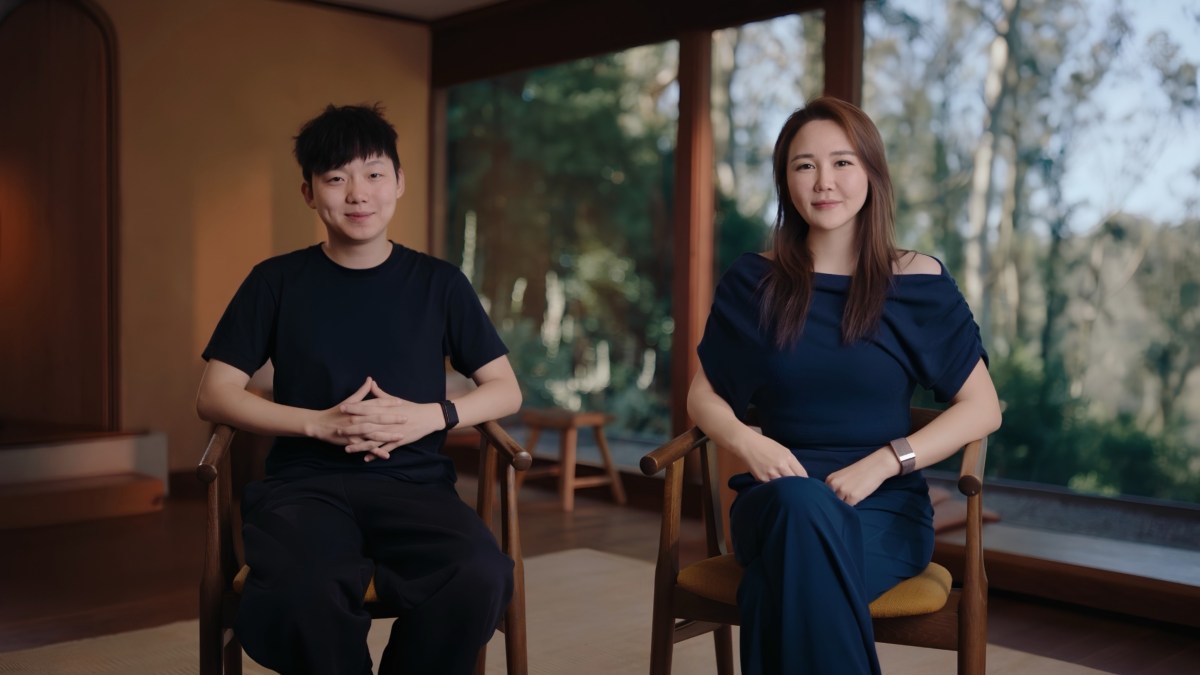
The origin story is unusually literal about the "passion project" cliché. Co-founder and chief scientist Shijia Liao — a former Nvidia video researcher and self-described lifelong VTuber and anime fan — built the first models on a single gaming GPU in his bedroom, frustrated by the flatness of existing synthetic voices.
A year later, Fish Audio's technology sits inside a striking roster of AI companies: OpenAI, HeyGen, Retell, LiveKit, Telnyx and Sanas all use it. The platform can clone a voice from a five-second clip in roughly fifteen seconds, supports 83 languages, and offers word-level emotion control driven by more than 15,000 natural-language prompts.
Why voice, why now
Voice has become the interface layer of the agentic era. As enterprises deploy AI agents that talk — support lines, outbound calling, real-time translation — the demand is shifting from robotic text-to-speech toward voices that carry emotion, switch languages mid-sentence, and respond with sub-second latency. Fish Audio's customer list of AI-infrastructure companies suggests it has positioned itself as a supplier to the suppliers, rather than chasing end users directly.
The company says it will deploy the capital across three fronts: expanding its model lineup with voice-native LLMs and speech-to-speech tools, deepening developer integrations with partners like LiveKit and Retell, and building an enterprise sales team.
The competitive squeeze
Fish Audio enters a crowded and well-capitalized field — ElevenLabs sits atop it, with a long tail of well-funded challengers and open-source alternatives eroding pricing from below. Its defensibility rests on the same thing that got it here: model quality good enough that the biggest AI companies chose to build on it rather than in-house. Whether that holds as frontier labs bring voice generation native — OpenAI among them, and also a customer — is the tension baked into the round. For now, $21 million of ARR in twelve months is the answer that mattered to investors.
Newsletter
Get Lanceum in your inbox
Weekly insights on AI and technology in Asia.
More in Startups

Travis Kalanick's Atoms Eyes Robotaxis — With Uber's $100 Million and His Old AV Team

Fluidstack Closes $1.5 Billion Led by Jane Street — Revenue Up From $1.8M to a Projected $660M, While Owning Zero Chips