Geneva Is the First Real Test of Whether the World Can Govern AI Together
A universal dialogue, a CEO-studded commission and a summit of 11,000 people converge in one week. What Geneva can actually deliver — and what it structurally cannot.
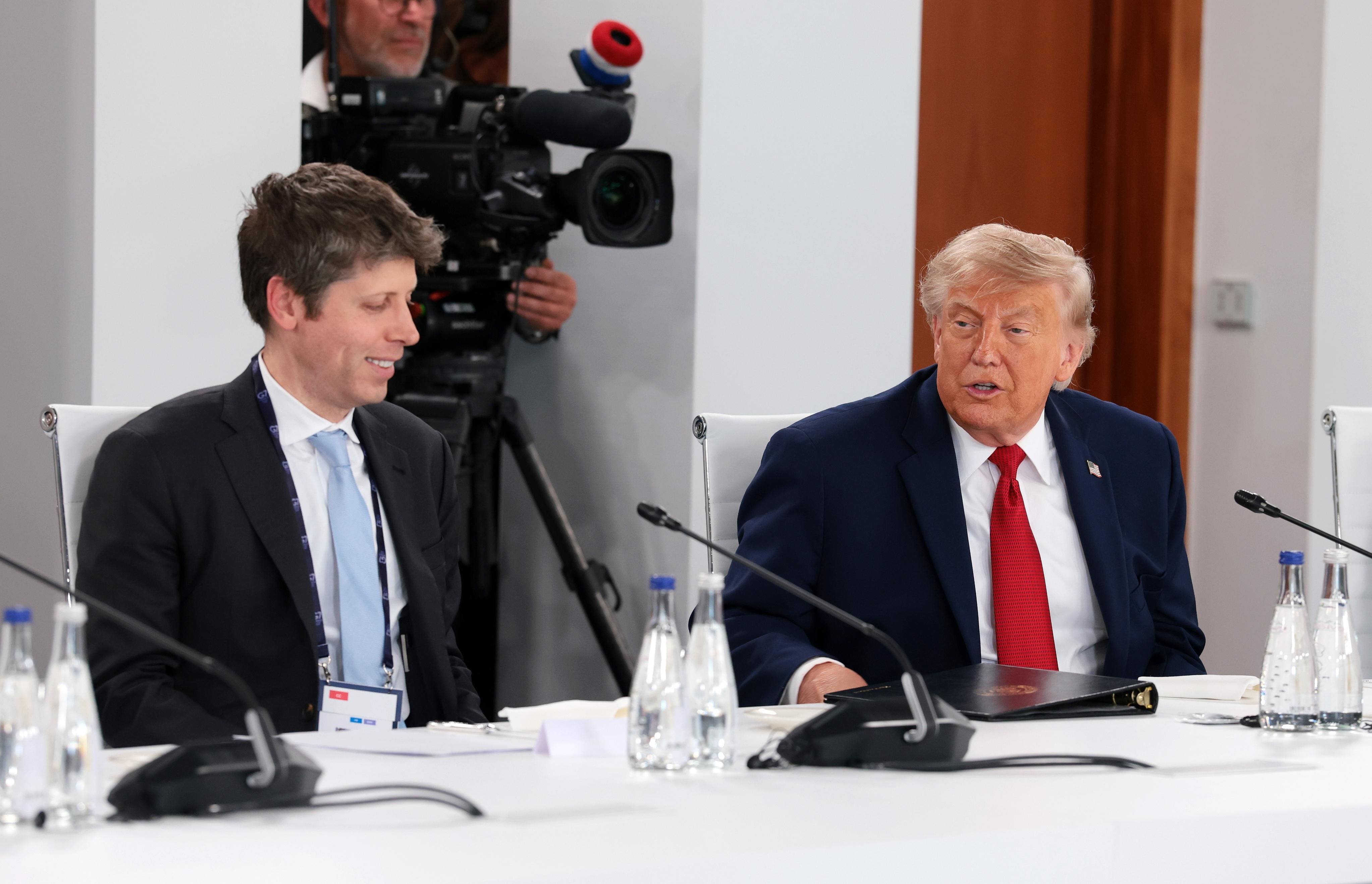
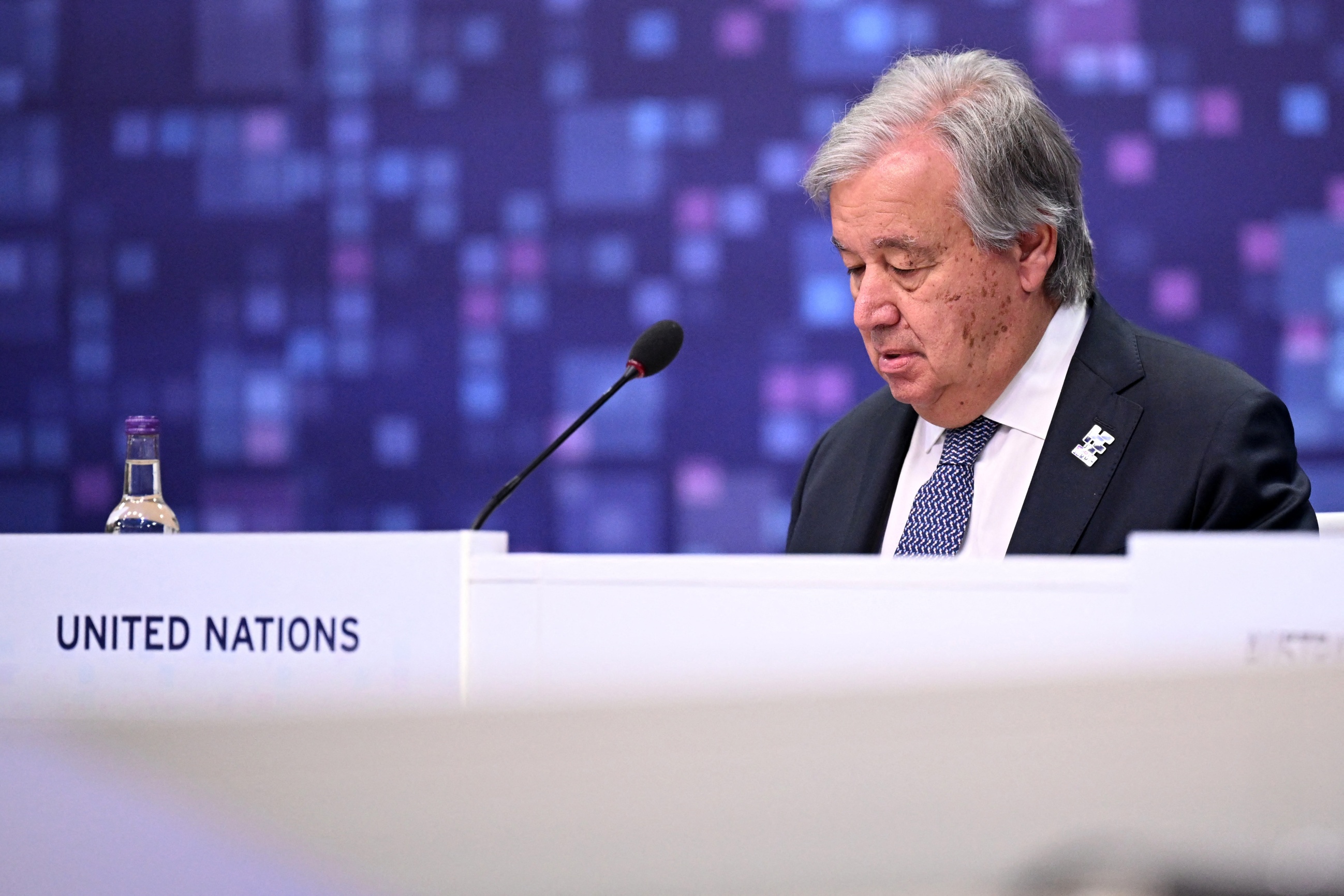
This week, Geneva hosts the densest concentration of AI governance activity in the technology's history: the inaugural UN Global Dialogue on AI Governance with all 193 member states (July 6-7), the ITU's AI for Good Summit with 11,000 participants (July 7-10), and the first meeting of a new global commission that seats Jensen Huang, Andy Jassy and Jack Clark alongside presidents and ministers (July 8). The obvious question is whether any of it matters.
The Case for Skepticism
The structural problems are real. The two governments that control frontier AI — the United States and China — have spent 2026 deepening their technological divorce, not narrowing it. Washington is negotiating voluntary standards with its own labs while wielding export controls as a security instrument, most dramatically in the three-week takedown of Anthropic's Fable 5. Beijing has built a parallel stack of open-weight models, domestic chips and national deployment programs precisely so that no international framework can constrain it.
A universal dialogue that includes everyone tends to bind no one. The UN's own history with technology governance — from cybercrime conventions to internet governance forums — suggests that when the great powers disagree, universal bodies produce vocabulary, not rules.
The Case That This Time Is Different
And yet the composition of the AI for Good Commission signals something genuinely new. Previous UN technology bodies were built of diplomats and academics; this one puts the people who control compute, models and capital in formal seats. That has drawn justified criticism — a governance body staffed by the governed is a conflict of interest by design — but it also means commitments made there could be executable rather than aspirational.
The commission's membership is also conspicuously weighted toward the countries that international AI policy usually ignores: Rwanda co-chairs, with seats for Kazakhstan, Namibia, Saudi Arabia, Singapore and Nigeria. That reflects the UN's real leverage. It cannot referee the US-China race, but it can shape how the other 190 countries adopt, procure and regulate AI — a market the frontier labs increasingly need.
What Asia Wants From Geneva
For Asia, the week is less about principles than plumbing. Southeast Asian governments want interoperability: Vietnam, Korea and Taiwan have all enacted AI laws in eighteen months, and a common risk taxonomy would reduce the compliance patchwork facing their export industries. India wants recognition — and funding pathways — for its argument that AI access is a development issue. Singapore, with a seat on the commission and the world's first agentic AI framework, is positioning itself as the standards translator between East and West.
None of that requires the US and China to agree. It requires a functioning forum, which is precisely what Geneva is trying to build.
The Realistic Benchmark
Judge this week not by declarations but by three concrete outputs: whether the dialogue produces a standing annual mechanism with a secretariat; whether the commission publishes recommendations with named commitments before the September General Assembly; and whether any language on compute access for developing countries survives into text. Modest outcomes — but the history of international governance says floors get built before ceilings. Geneva is pouring the floor.
Newsletter
Get Lanceum in your inbox
Weekly insights on AI and technology in Asia.