New AI System Cuts Energy Use by 100x While Boosting Accuracy Through Symbolic Reasoning
A hybrid approach combining neural networks with human-like symbolic reasoning achieves dramatic energy savings and could reshape data center economics.
Researchers have unveiled a new AI approach that combines neural networks with human-like symbolic reasoning to achieve a 100x reduction in energy consumption while simultaneously improving accuracy. The system represents a fundamental shift from brute-force computation toward structured, logical problem-solving.
Thinking Like Humans
Conventional AI systems tackle problems through massive parallel computation, processing billions of parameters to arrive at answers. The new hybrid approach introduces a symbolic reasoning layer that breaks problems into logical steps and categories — mimicking how humans decompose complex tasks into manageable pieces.
For robotics applications, the implications are particularly significant. Instead of learning through brute-force trial and error — testing thousands of physical interactions to learn basic manipulation — robots equipped with the hybrid system can reason about objects, physics, and goals symbolically, dramatically reducing the number of real-world interactions needed to achieve competence.
The Energy Crisis in AI
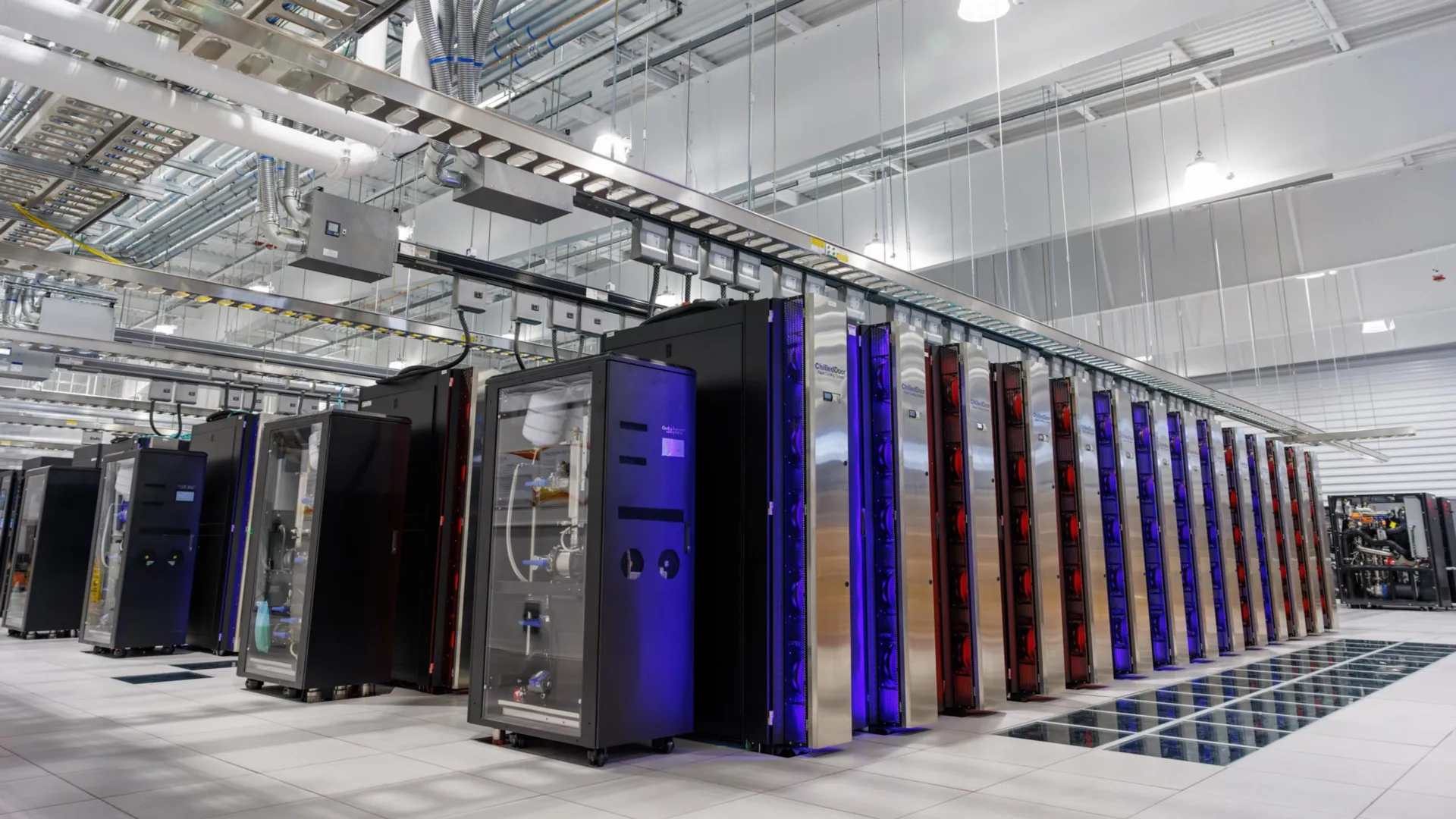
The research arrives at a critical moment. AI's energy footprint has become one of the industry's most urgent challenges. Data centers powering large language models and training runs are consuming ever-larger shares of national power grids. The International Energy Agency projects that AI-related electricity demand could triple by 2028, straining infrastructure that was never designed for this kind of concentrated load.
A 100x reduction in energy per inference would fundamentally change data center economics. Operators could serve the same number of requests with dramatically less power, cooling, and physical space — or scale capacity without proportional increases in energy infrastructure.
Sustainable AI Deployment
Beyond data centers, the hybrid approach opens possibilities for deploying sophisticated AI in energy-constrained environments: edge devices, mobile robots, remote industrial facilities, and developing regions where power infrastructure is limited. Models that currently require cloud connectivity could run locally, reducing latency and improving reliability.
What Comes Next
The research community has shown growing interest in neuro-symbolic architectures as a path beyond pure scaling. If the 100x efficiency gains hold at frontier-model scale, the approach could trigger a rethinking of how AI infrastructure is built — shifting investment from raw compute capacity toward smarter, more efficient architectures that deliver comparable capability at a fraction of the environmental cost.
Newsletter
Get Lanceum in your inbox
Weekly insights on AI and technology in Asia.