KIT Researchers Build AI System That Predicts Scientific Breakthroughs 2-3 Years Ahead
Published in Nature Machine Intelligence, the system maps scientific literature into knowledge networks and identifies which concept combinations will gain significance.
Researchers at the Karlsruhe Institute of Technology (KIT) have developed an AI system that can predict which scientific research areas will become significant two to three years before they emerge. The work, published in Nature Machine Intelligence in April 2026, combines large language models with machine learning to map the entire landscape of scientific literature into explorable knowledge networks.
How the System Works
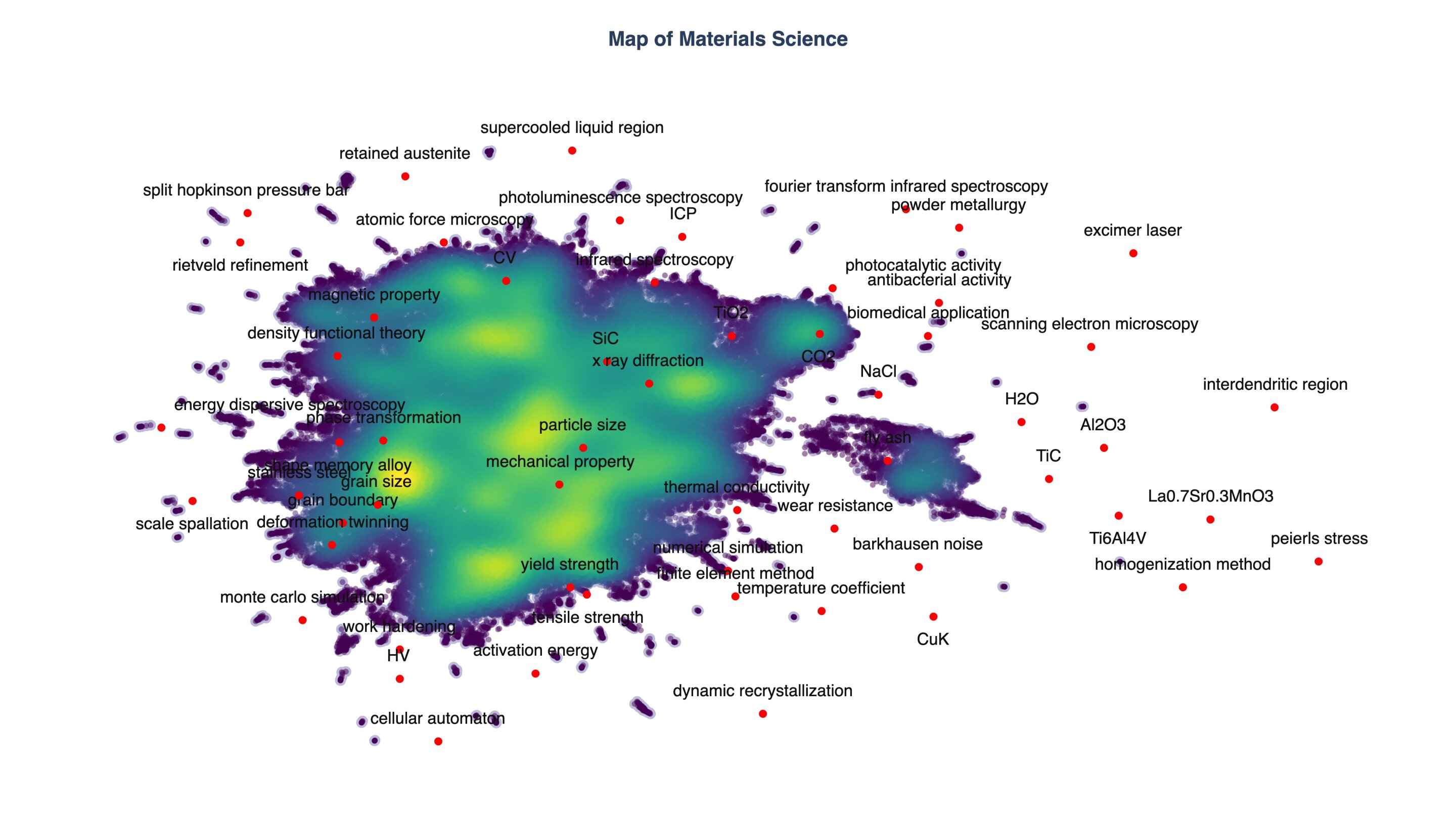
The KIT system processes large volumes of scientific publications and extracts key concepts, methods, and findings. It then maps these into a knowledge network — a graph structure where nodes represent scientific concepts and edges represent relationships between them.
Using this network, the AI identifies concept combinations that are currently underexplored but structurally positioned to become important. The system looks for patterns similar to those that preceded previous breakthroughs — areas where multiple advancing fields are converging but researchers haven't yet connected the dots.
Validation
Lead researcher Thomas Marwitz and principal investigator Professor Pascal Friederich validated the system's predictions through expert interviews. Domain experts confirmed that the AI-generated suggestions for promising research directions were "genuinely innovative" — not obvious extrapolations from existing trends, but novel combinations that experts found surprising and plausible.
This validation is significant because it addresses a common criticism of AI prediction systems: that they simply extrapolate linear trends. The KIT system appears to identify non-obvious connections that human researchers, constrained by their disciplinary focus, might miss.
Implications for Research Strategy
If the system's predictions prove reliable at scale, it could reshape how research funding is allocated. Granting agencies could use similar tools to identify promising areas before they become crowded, potentially accelerating the pace of scientific discovery by directing resources more efficiently.
The two-to-three-year prediction horizon is particularly useful for research planning, as it aligns with the typical timeline for grant cycles and PhD programs. Researchers who identify emerging areas early gain a significant first-mover advantage in publishing, securing funding, and establishing expertise.
Limitations
The system's predictions are probabilistic, not deterministic. Not every identified trend will materialize, and genuine breakthroughs often come from directions that no prediction system — human or AI — would anticipate. The tool is best understood as a complement to human judgment rather than a replacement for it.
The research also raises questions about the self-fulfilling nature of research predictions: if funders and researchers act on AI-generated predictions, those predictions become more likely to come true, regardless of whether the underlying science would have developed independently. The KIT team acknowledges this dynamic and suggests using the tool as one input among many in research strategy decisions.
Newsletter
Get Lanceum in your inbox
Weekly insights on AI and technology in Asia.