Tufts Researchers Achieve 100x Energy Reduction With Neuro-Symbolic AI
A new neuro-symbolic approach from Tufts University cuts AI training energy by two orders of magnitude while dramatically improving accuracy, reducing training time from 36 hours to 34 minutes.
Researchers at Tufts University have developed a neuro-symbolic AI system that reduces energy consumption by 100x compared to conventional deep learning approaches while simultaneously improving task accuracy — a result that challenges the prevailing assumption that AI performance requires ever-increasing compute budgets.
The Results
The numbers are striking. On the Tower of Hanoi problem — a classic benchmark for testing sequential reasoning — the neuro-symbolic system achieved a 95% success rate, compared to just 34% for a traditional neural network approach. Training time dropped from over 36 hours to approximately 34 minutes, and energy consumption fell by two orders of magnitude.
These improvements stem from the system's architecture, which combines the pattern-recognition strengths of neural networks with the logical reasoning capabilities of symbolic AI. Rather than learning everything from raw data through brute-force gradient descent, the hybrid approach encodes structural knowledge about the problem domain and uses neural components only where they add genuine value.
How Neuro-Symbolic AI Works
Traditional deep learning treats every problem as a pattern-matching task, learning representations from data without explicit encoding of rules or logical structure. This works well for perception tasks like image recognition but becomes inefficient for problems that require multi-step reasoning, planning, or adherence to logical constraints.
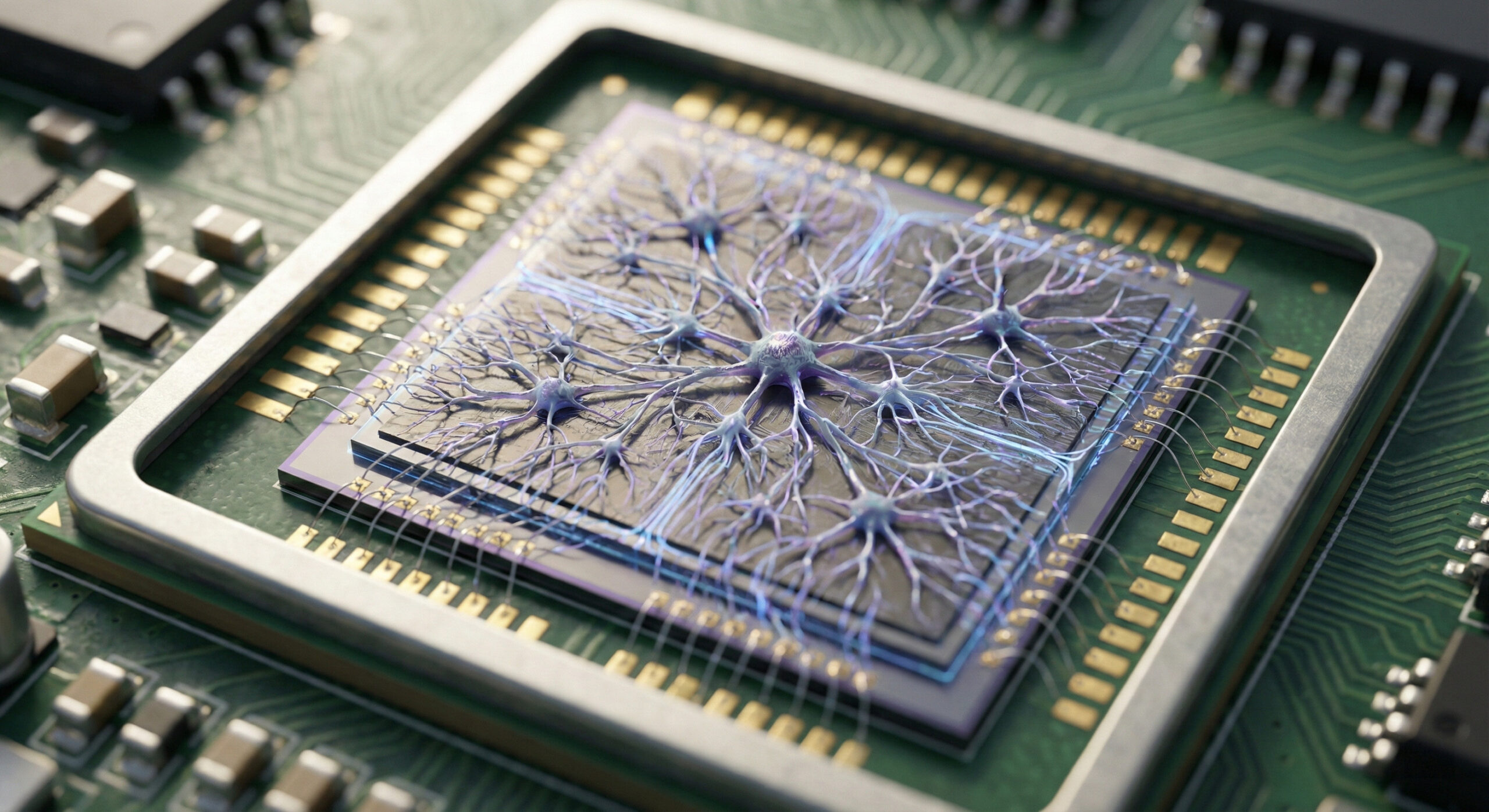
Neuro-symbolic AI integrates symbolic reasoning — the kind of logic-based computation that characterized early AI research — with modern neural networks. The symbolic layer handles structured reasoning, constraint satisfaction, and logical inference, while the neural layer manages perception, feature extraction, and approximate computation where symbolic approaches are too rigid.
The Tufts system demonstrates that this division of labor can be dramatically more efficient than forcing neural networks to learn reasoning capabilities from scratch. By providing the system with explicit logical structure, the training process converges faster, uses less data, and produces more reliable outputs.
Implications for AI Sustainability
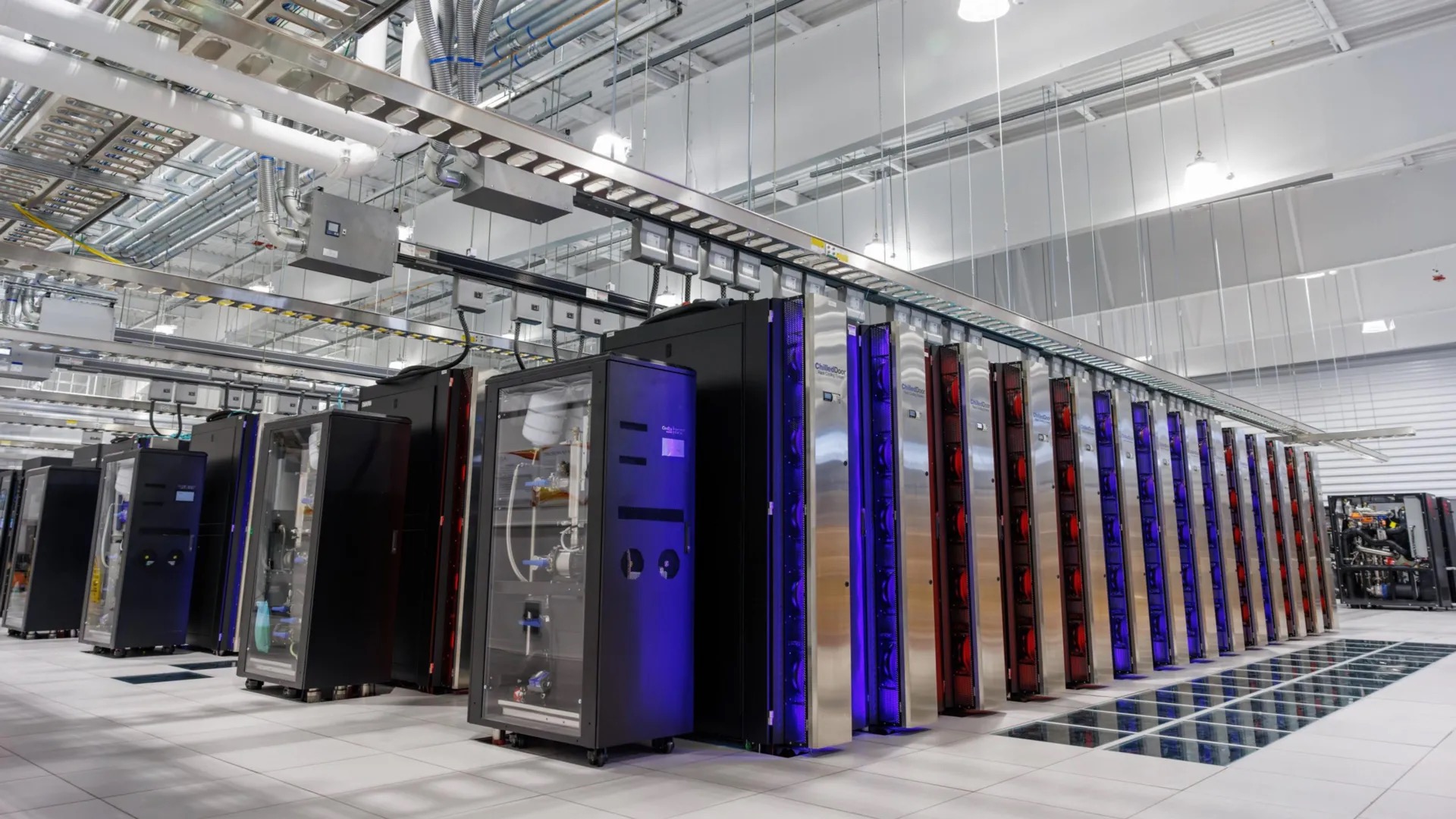
The 100x energy reduction carries significant implications as the AI industry grapples with its growing power consumption. Data centers supporting AI workloads are projected to consume an increasing share of global electricity, and the marginal cost of training larger models continues to rise. If neuro-symbolic approaches can deliver comparable or superior performance at a fraction of the energy cost, they could alter the economics of AI deployment fundamentally.
The research also suggests that the current scaling paradigm — training ever-larger neural networks on ever-larger datasets — may not be the only path to capable AI systems. Hybrid architectures that combine learned representations with structured knowledge could offer a more sustainable trajectory, particularly for applications that require reliable reasoning rather than open-ended generation.
Limitations and Next Steps
The Tower of Hanoi results are compelling but narrow. Extending neuro-symbolic methods to the messy, ambiguous domains where large language models excel — open-ended conversation, creative writing, code generation — remains an open research challenge. The symbolic components require domain knowledge that must be engineered rather than learned, which limits the approach's generality.
Still, the Tufts work adds to a growing body of evidence that the AI field may benefit from revisiting hybrid architectures rather than relying exclusively on the scaling of pure neural approaches.
Newsletter
Get Lanceum in your inbox
Weekly insights on AI and technology in Asia.