Neuromorphic Computers Crack Physics Simulations Once Reserved for Supercomputers
Sandia National Labs demonstrates that brain-inspired chips can solve partial differential equations with near-ideal scaling and far less energy.
In a study published in Nature Machine Intelligence, computational neuroscientists at Sandia National Laboratories have demonstrated that neuromorphic computers — processors modeled after the human brain — can solve the complex equations behind physics simulations. This capability was once thought to be the exclusive domain of energy-hungry supercomputers.
The Breakthrough
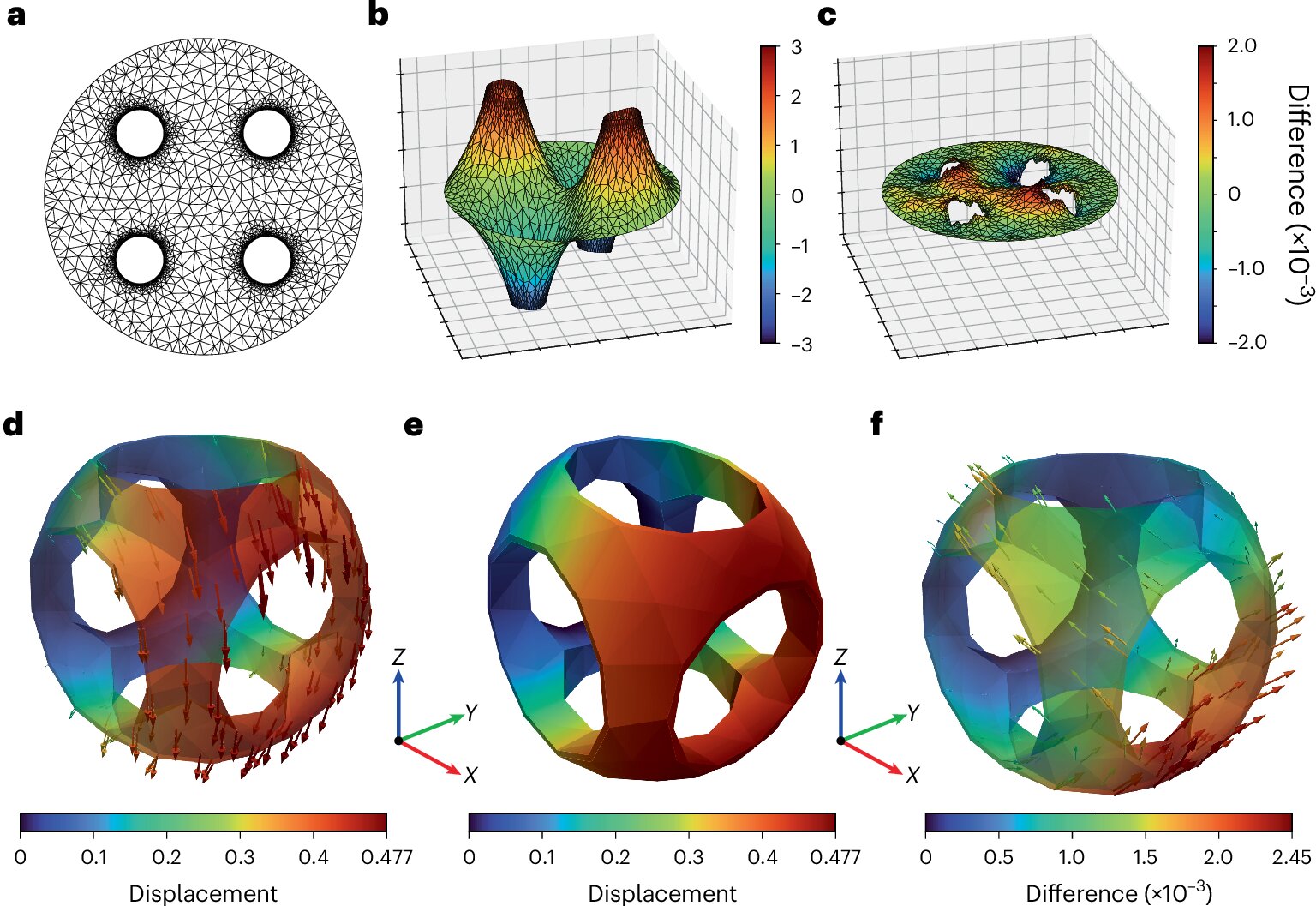
Sandia researchers Brad Theilman and Brad Aimone introduced a new algorithm that allows neuromorphic hardware to solve partial differential equations (PDEs), which are fundamental to modeling weather forecasts, fluid flows, and nuclear simulations. Running on Intel's Loihi 2 neuromorphic chip, the algorithm exhibited what the researchers described as "close to ideal scaling" — doubling the number of cores nearly halved the time required to reach a solution.
The energy cost was the headline number. The energy required to reach a solution on neuromorphic hardware was significantly lower than running the same mathematics on a standard CPU, suggesting a path toward powerful computing systems that consume a fraction of the power of current supercomputers.
NERL Braunfels: The World's Largest Neuromorphic System
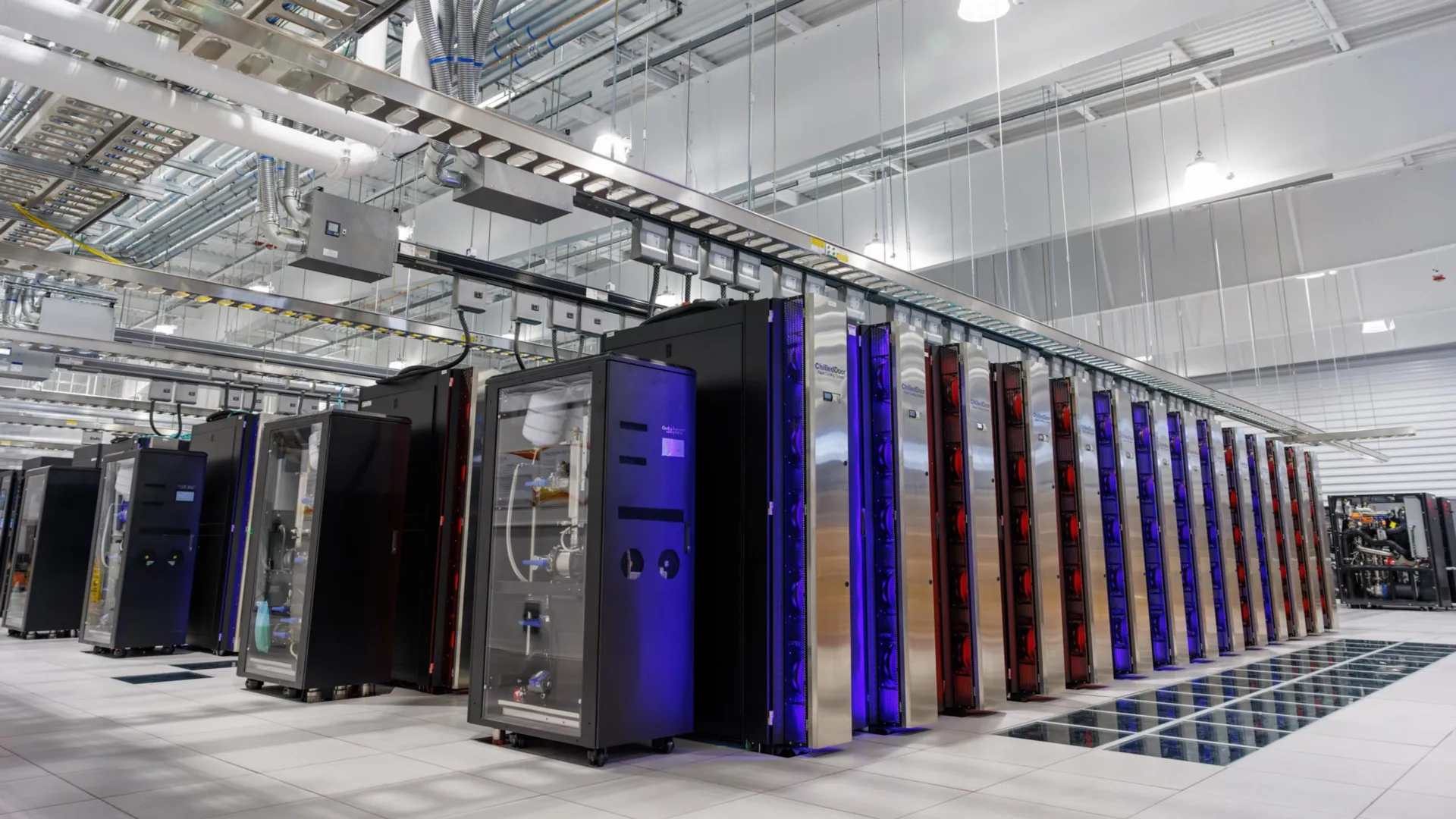
Sandia has also introduced NERL Braunfels, the world's largest neuromorphic computing system, featuring 175 million digital neurons. Funded by the nuclear deterrence program, the system is designed to excel at the complex physics simulations that previously required massive, power-intensive supercomputers.
The system demonstrates that neuromorphic computing is moving beyond laboratory curiosities and into practical applications with national security implications. The ability to model nuclear physics with dramatically lower energy requirements has obvious appeal for defense applications where computing power and energy efficiency are both critical constraints.
Commercial Horizon
The commercial implications are becoming clearer as hardware matures. Intel's Loihi 3 and IBM's NorthPole chips are both set to launch commercially in 2026, bringing neuromorphic computing capabilities to a broader range of applications. The combination of academic breakthroughs like the Sandia algorithm and commercial hardware availability could create a viable neuromorphic computing ecosystem within the next few years.
What This Means
The research suggests that the future of high-performance computing may not be about building ever-larger conventional supercomputers. Instead, brain-inspired architectures could handle some of the most demanding computational tasks — weather modeling, materials science, nuclear physics — at a fraction of the energy cost.
For an industry grappling with the environmental and economic costs of AI-driven compute demand, neuromorphic computing offers a fundamentally different approach: one that draws inspiration from the most energy-efficient computing system known — the human brain.
Newsletter
Get Lanceum in your inbox
Weekly insights on AI and technology in Asia.